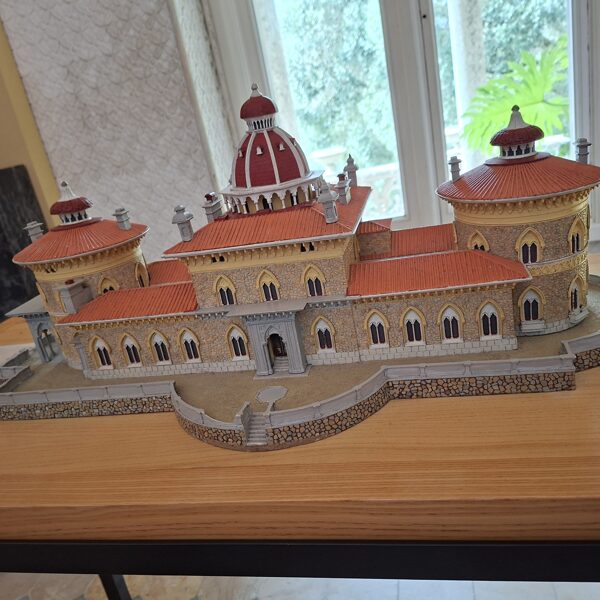
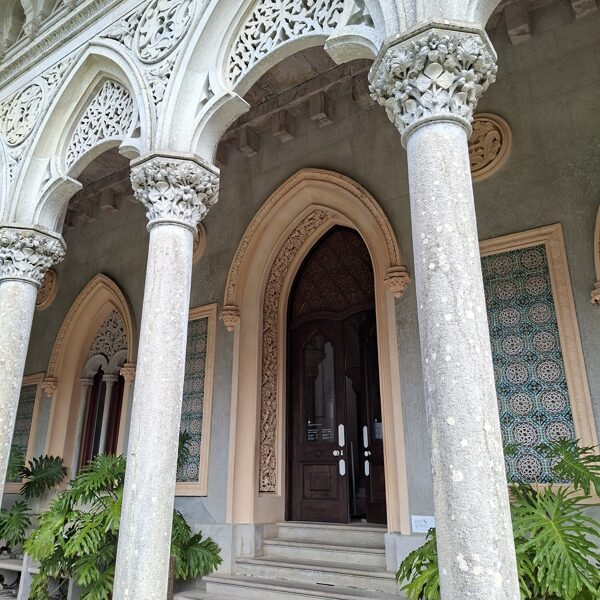
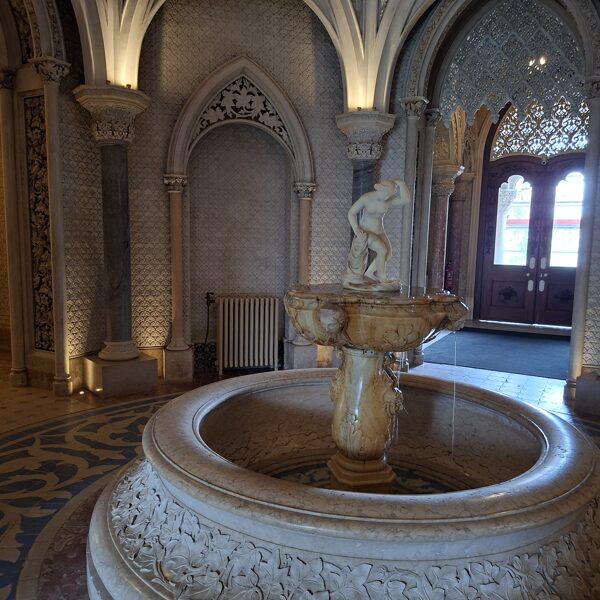
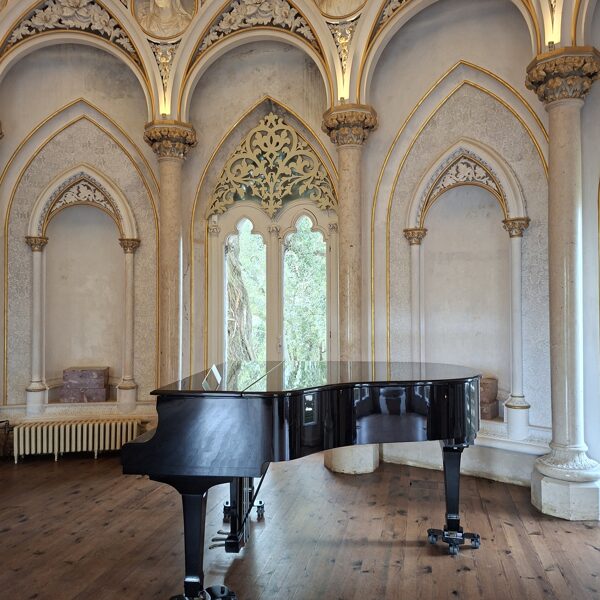
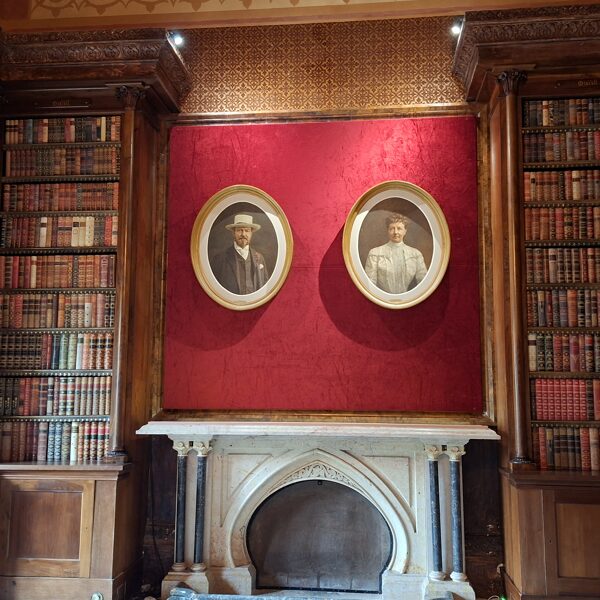
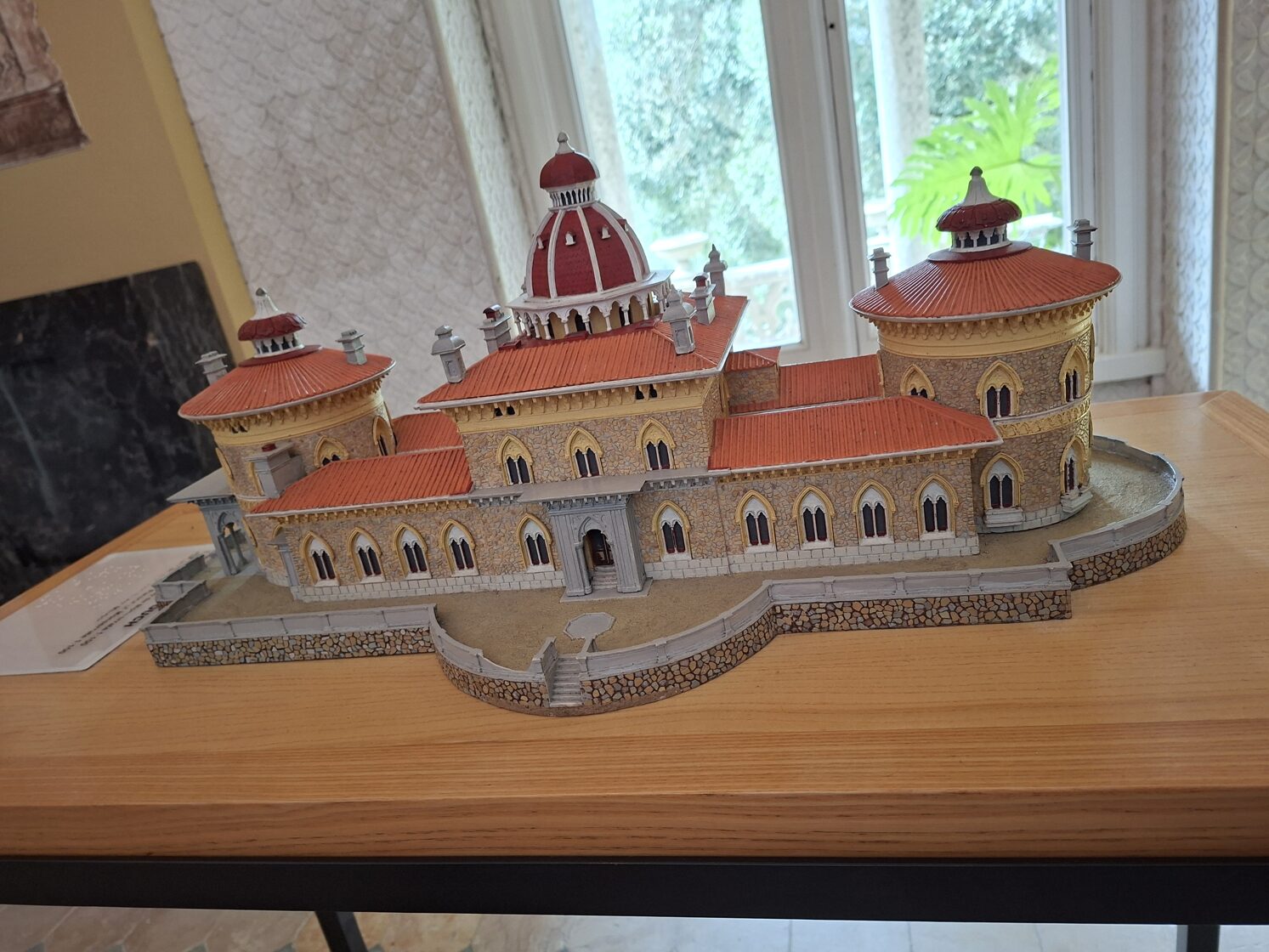
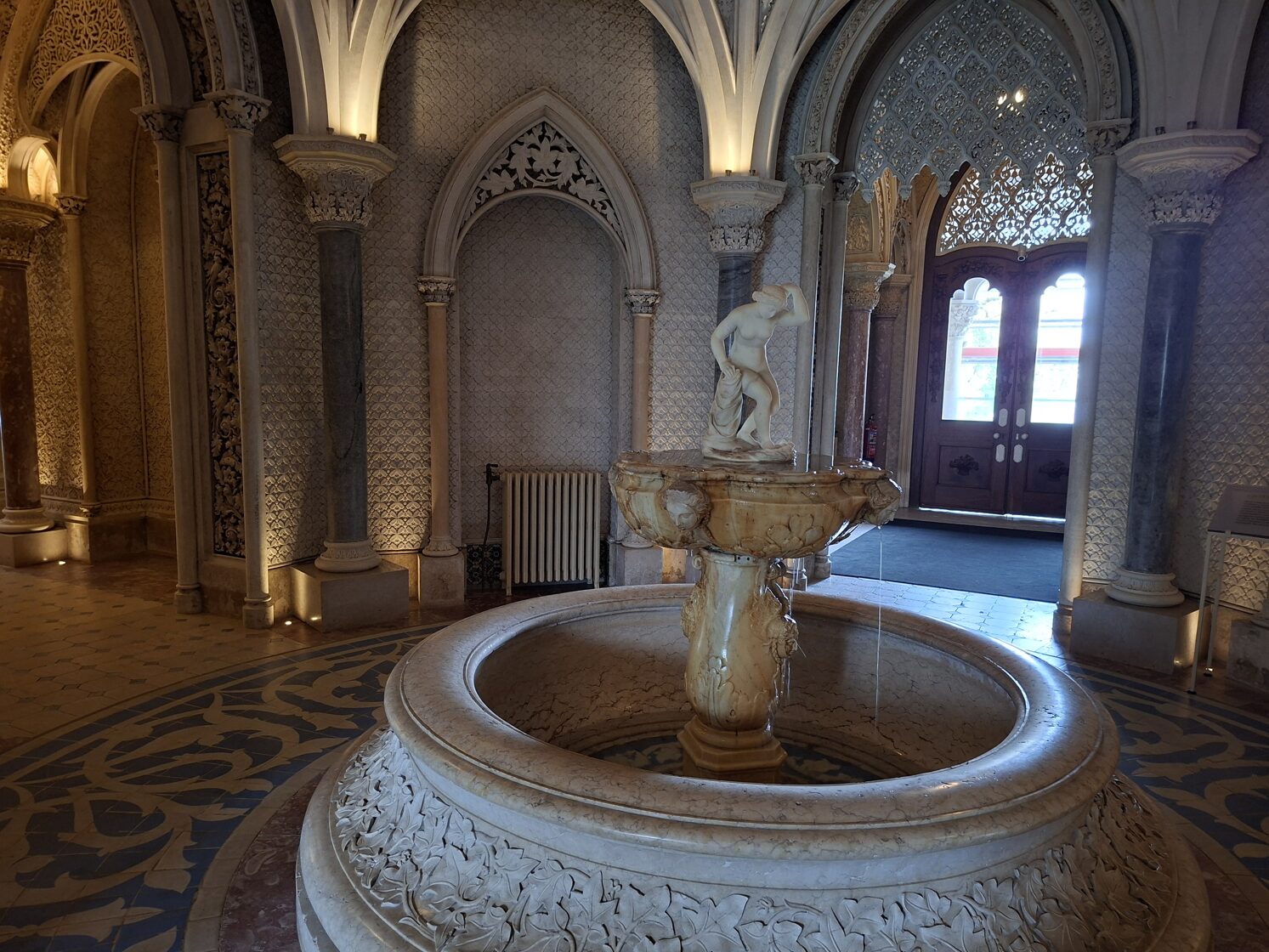
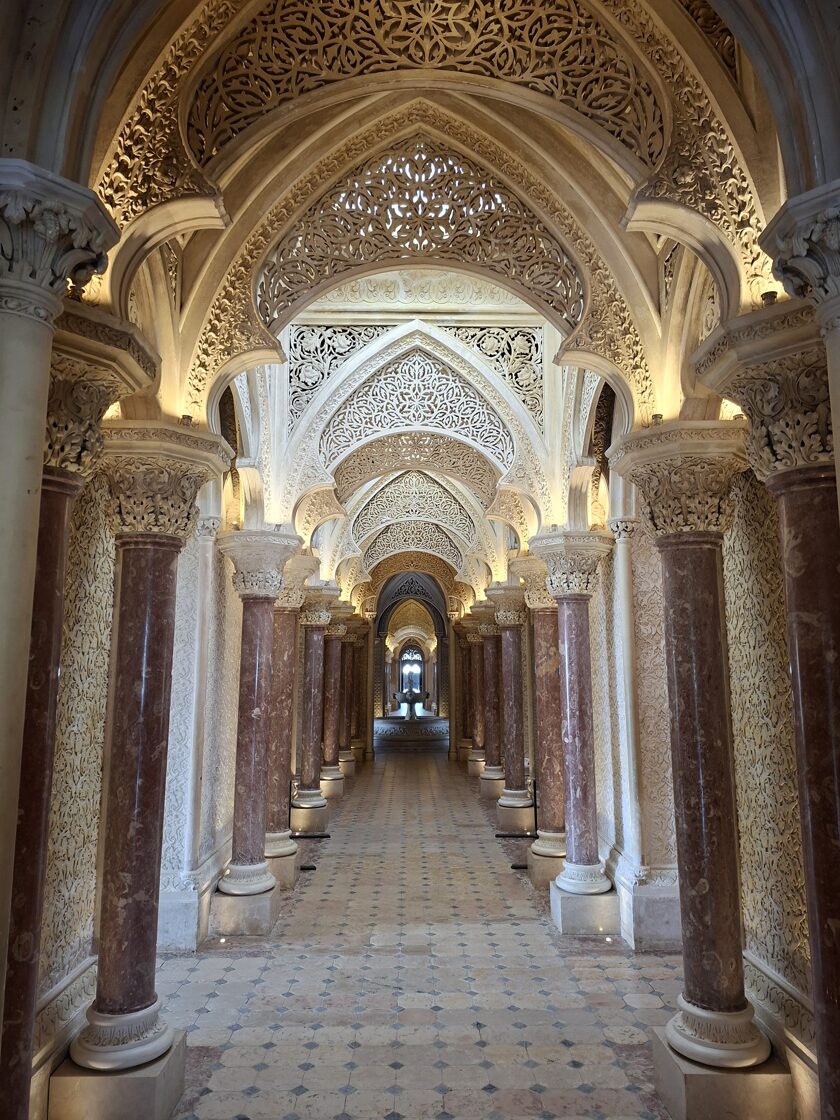
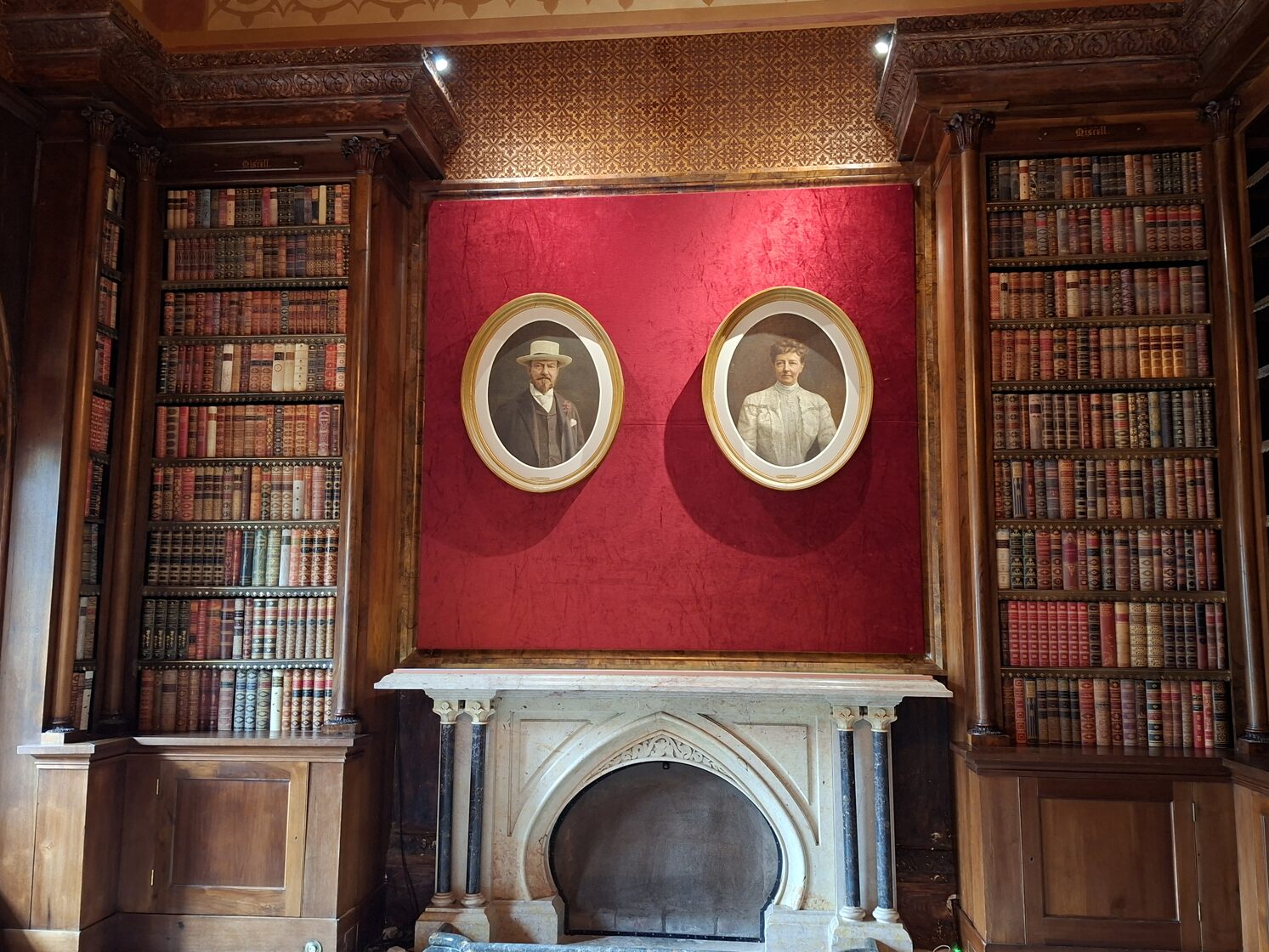
A brief history of the castle: In 1856, Monserrate became the property of Sir Francis Cook, a wealthy English textile manufacturer. Cook entrusted James Thomas Knowles and his son with the renovation work. Knowles loved Venetian and Tuscan architecture, which he combined with Moorish and Eastern motifs. Then I think I accidentally skipped photographimg a period, or maybe they skipped it because it wasn't that interesting. In any case, let's jump forward to the years before World War II, when the owner of the castle, Sir Francis Cook's son, Herbert Cook, invited Walter Kingsbury, a dear friend of his son Francis, to take over the care and supervision of the castle and the surrounding farms. Although Walter and his wife Ida did not speak a word of Portuguese and had no idea about this kind of work, they quickly learned the ropes and lived a paradise life with their two sons at Monserrate Castle. The owners' only stipulation was that during the two months in the summer when they stayed at the castle with their family and friends, the Kingsburys would move into one of the guest houses. Well, judging by the film, that wasn't much of a sacrifice.
World War II changed everything radically. The owners were unable to come over from England, and the Kingsburys became the permanent residents of the castle, with a staff of twenty-five. When the war broke out, the English colony living in Portugal immediately entered the service of the British homeland: the women knitted coats for the English soldiers, and the workshops in Monserrate made frames for roll-up bandages, which were then sent straight to the front.
There were even plans to organize a fundraising ball at Monserrate Castle to purchase a Spitfire fighter plane for the British Air Force, but since Portugal was neutral in World War II, the Germans immediately vetoed the idea, and the fundraiser was canceled.
However, the castle still played an important role in the course of the war: spies and other intelligence agents found both reliable and false information here.
When the war ended, the owner sold the castle to a Portuguese private individual, who did not enjoy his new castle for long, because two years later the Portuguese government took it into state ownership, sold its contents at auction, and since then no one has lived in the castle — it has become a museum.
During our walk, Nóri told us a lot about Portuguese history, Salazar, the military coup, and the story of the red carnation in Portugal. It was very interesting to listen to. And especially that Portugal was a very poor country in the 1970s and 1980s. Many people walked barefoot because they couldn't afford shoes, and illiteracy in villages was as high as 80% in many places. People were completely dumbed down during Salazar's time. But in 1986 they joined the EU, were able to introduce the Euro fairly quickly, and what development they went through! A country the size of Hungary.
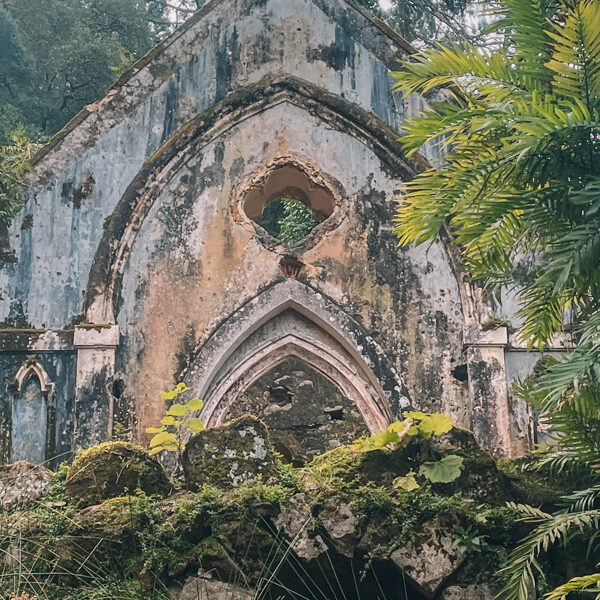
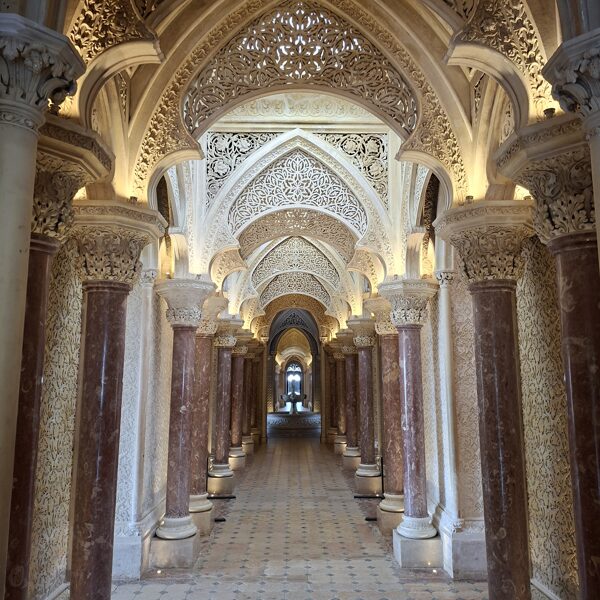
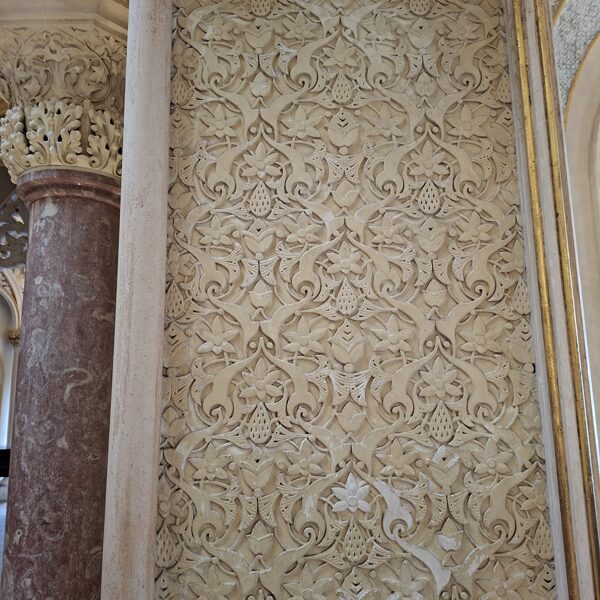
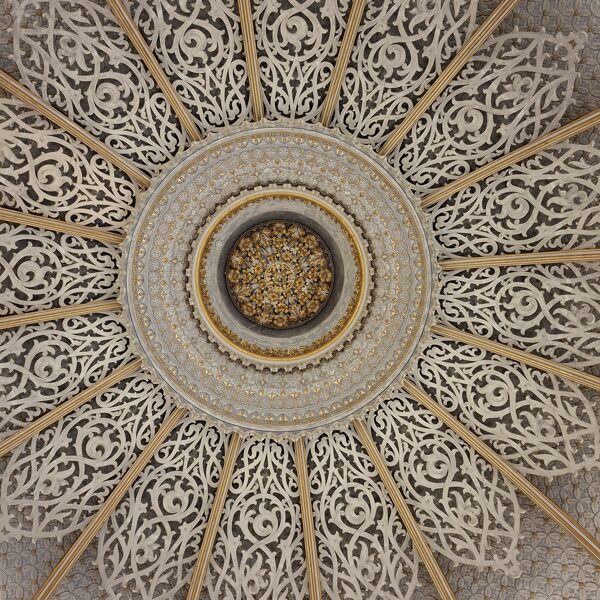
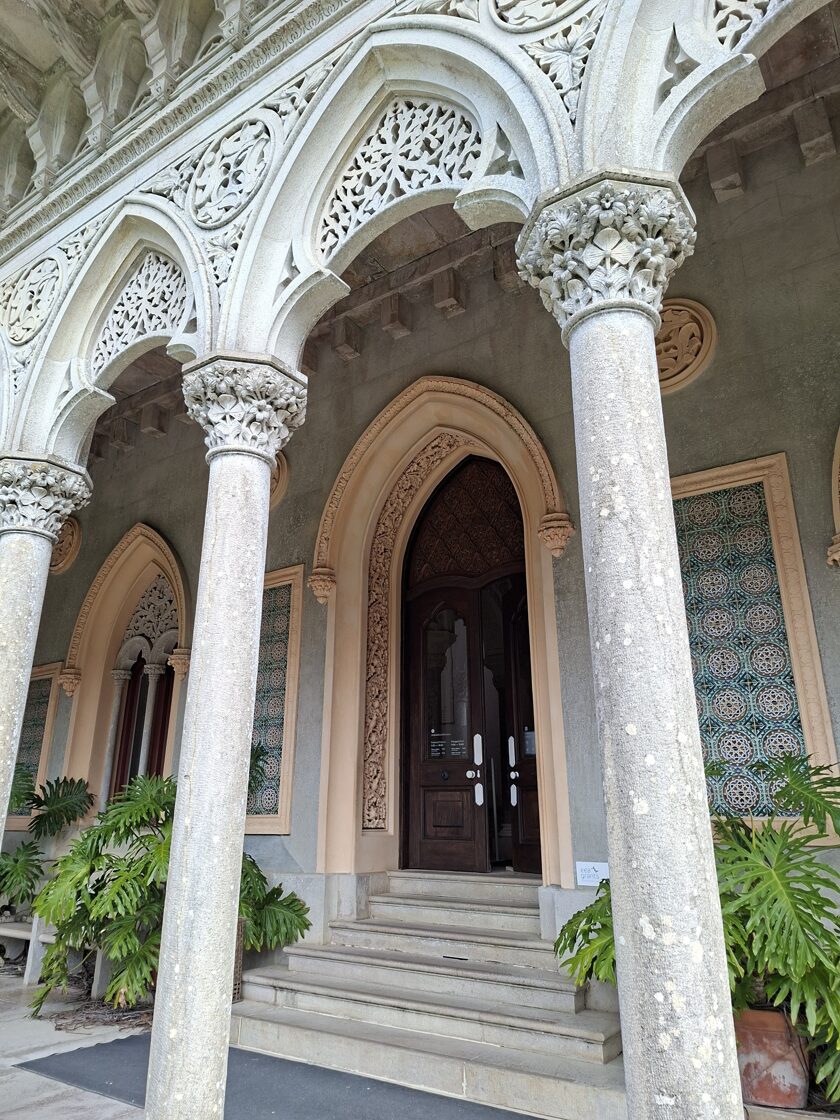
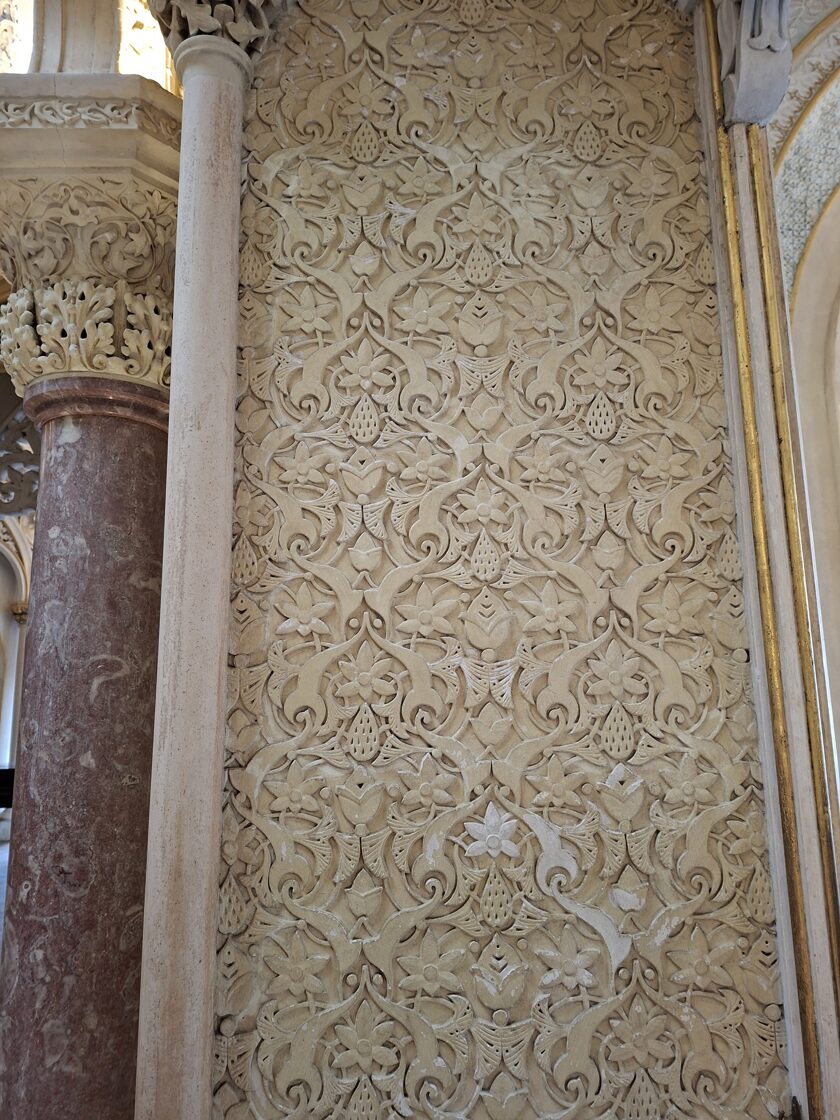
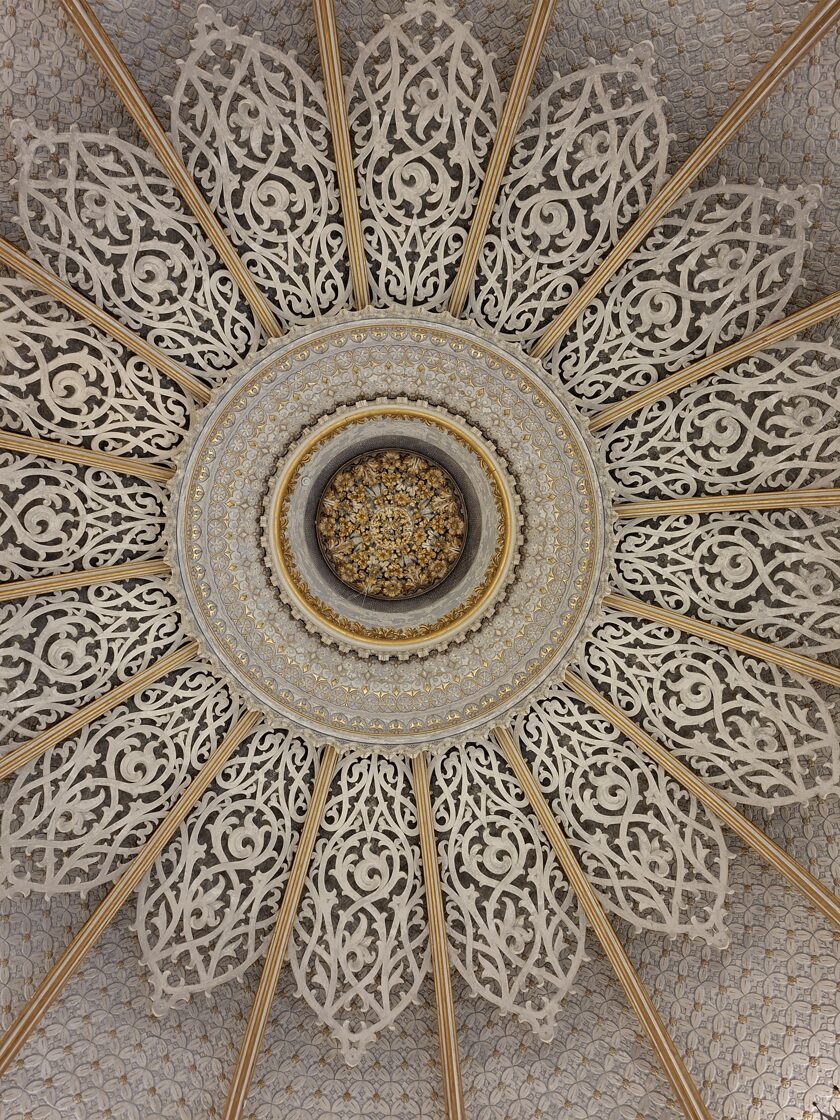
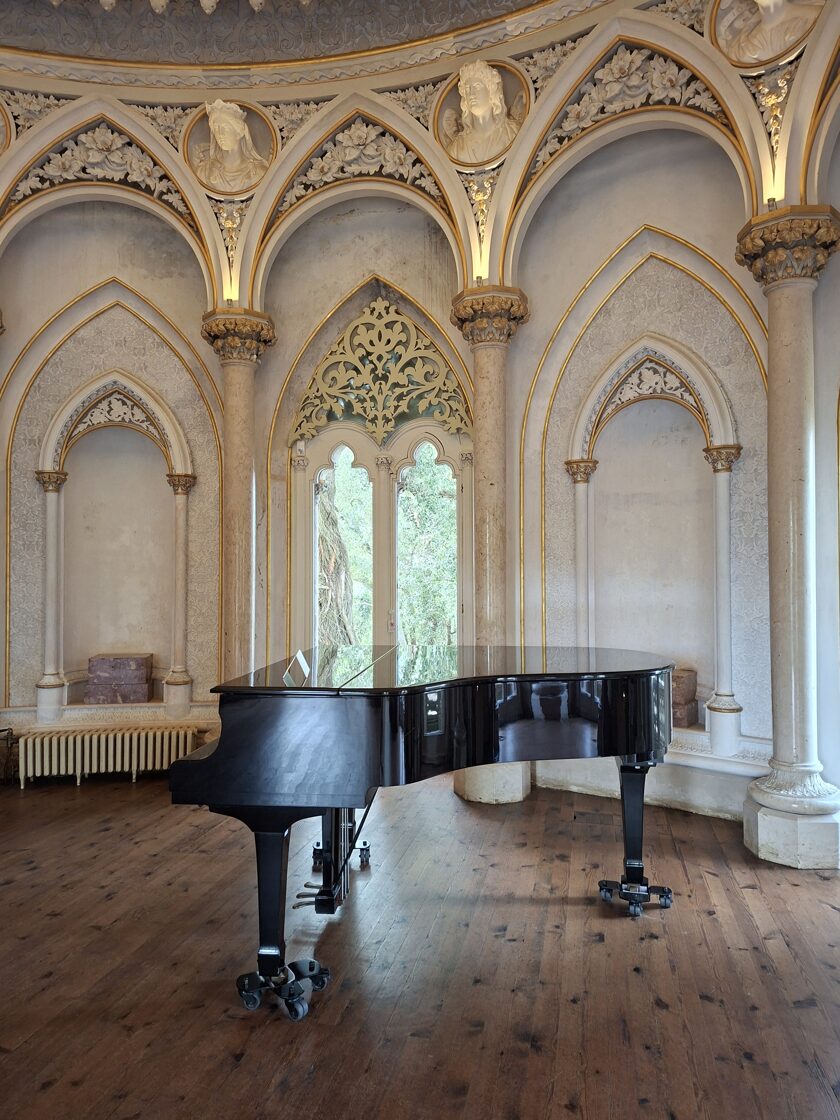
I also really liked the castle, it is incredibly beautiful, tasteful, meticulous artistic work. It's as if even the walls are made of lace: they are carved from stone. I'll put a picture of it here - I was just amazed by it.