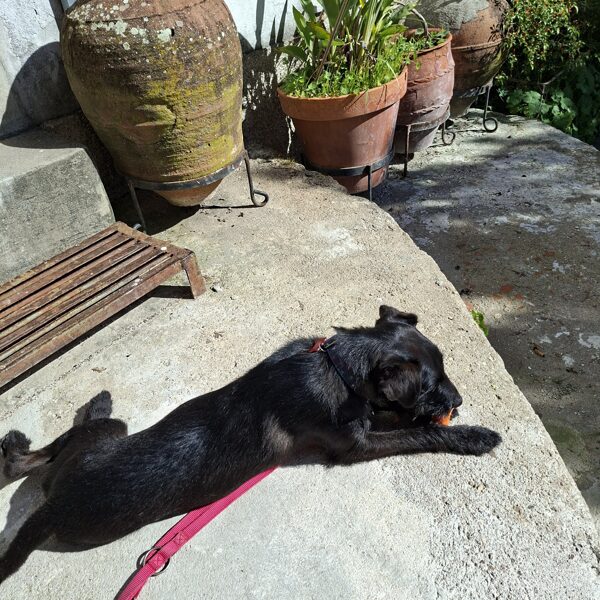
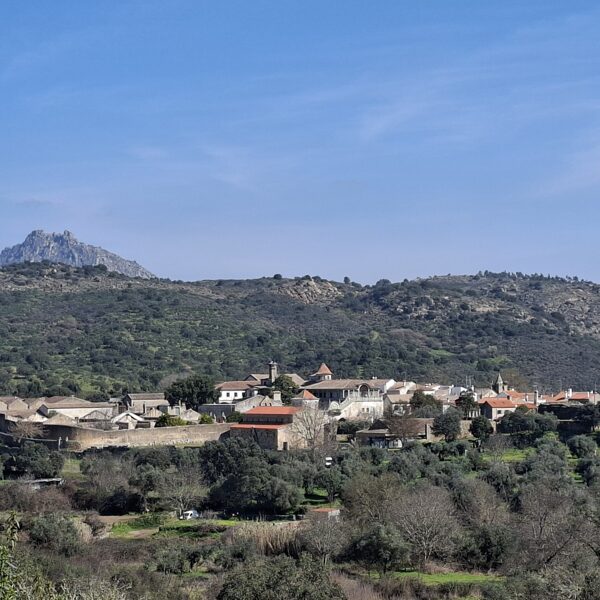
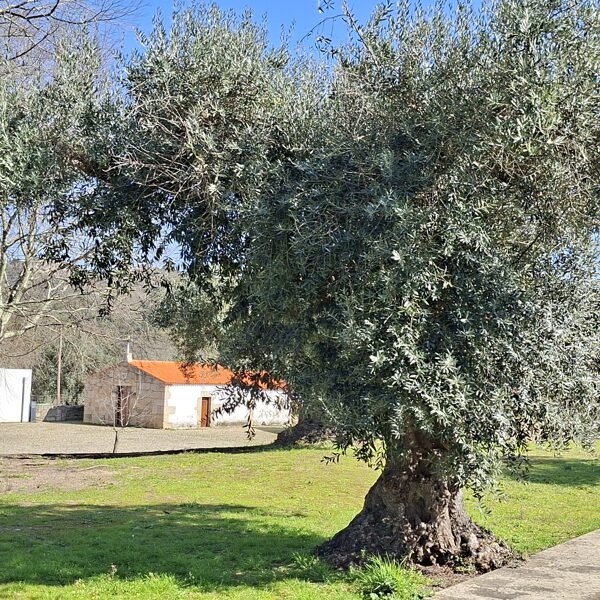
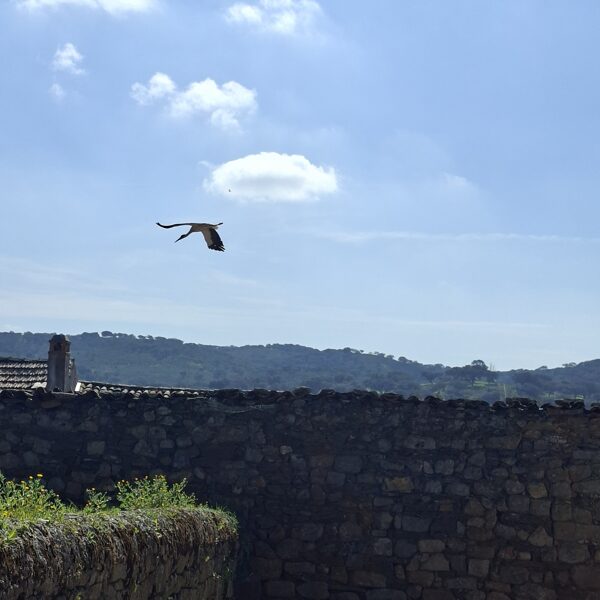
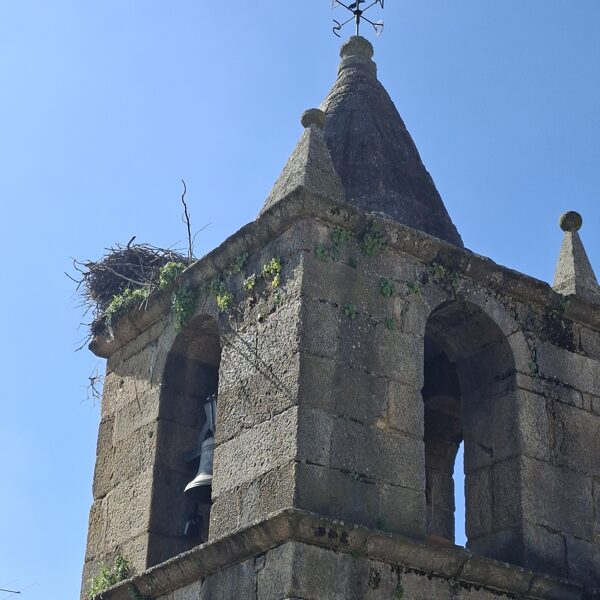
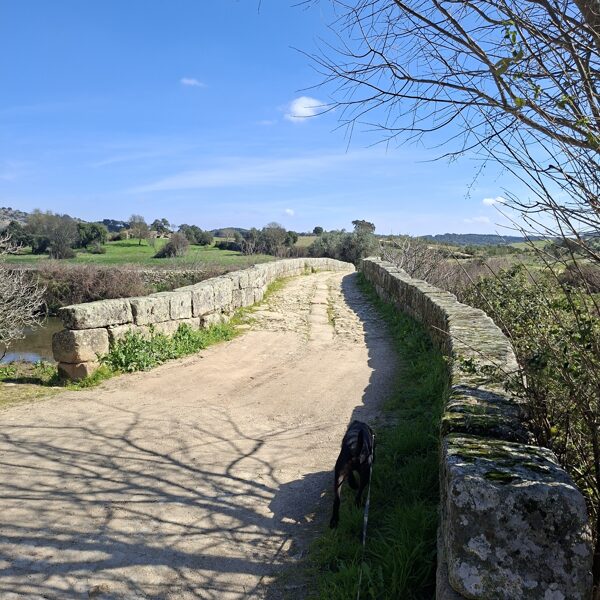
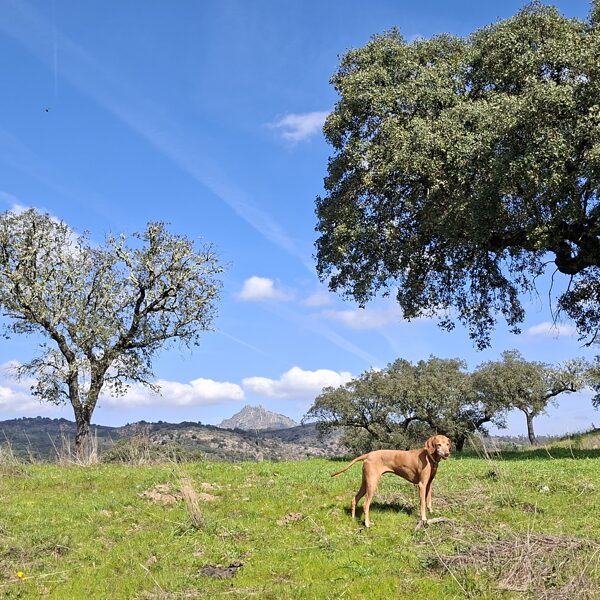
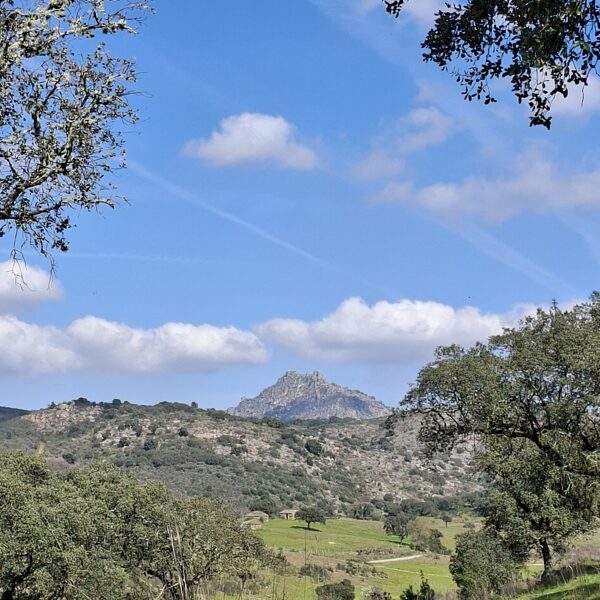
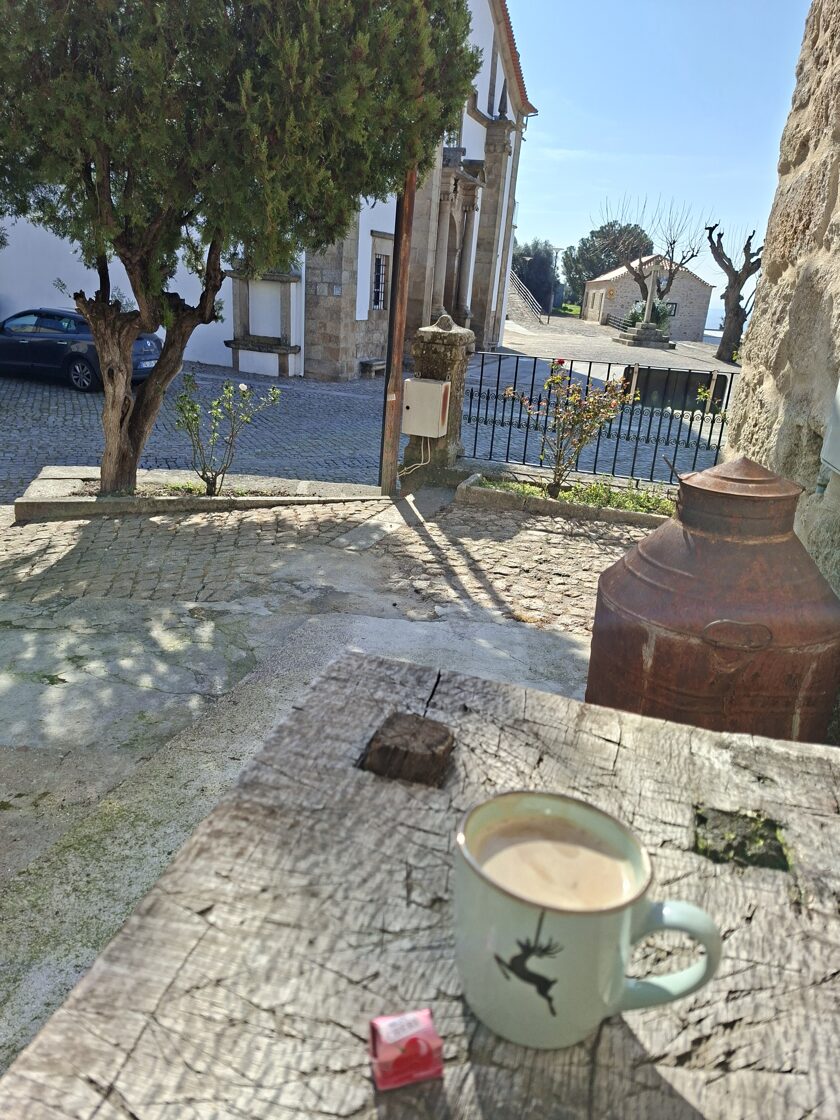
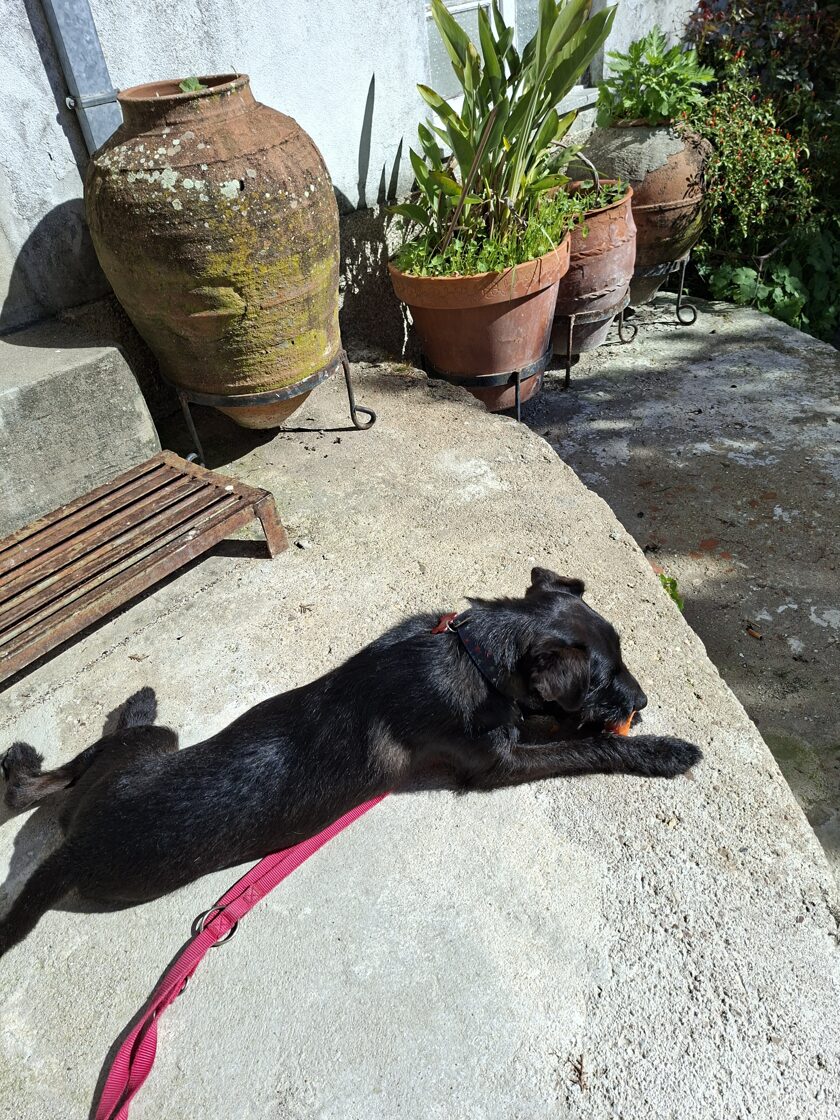
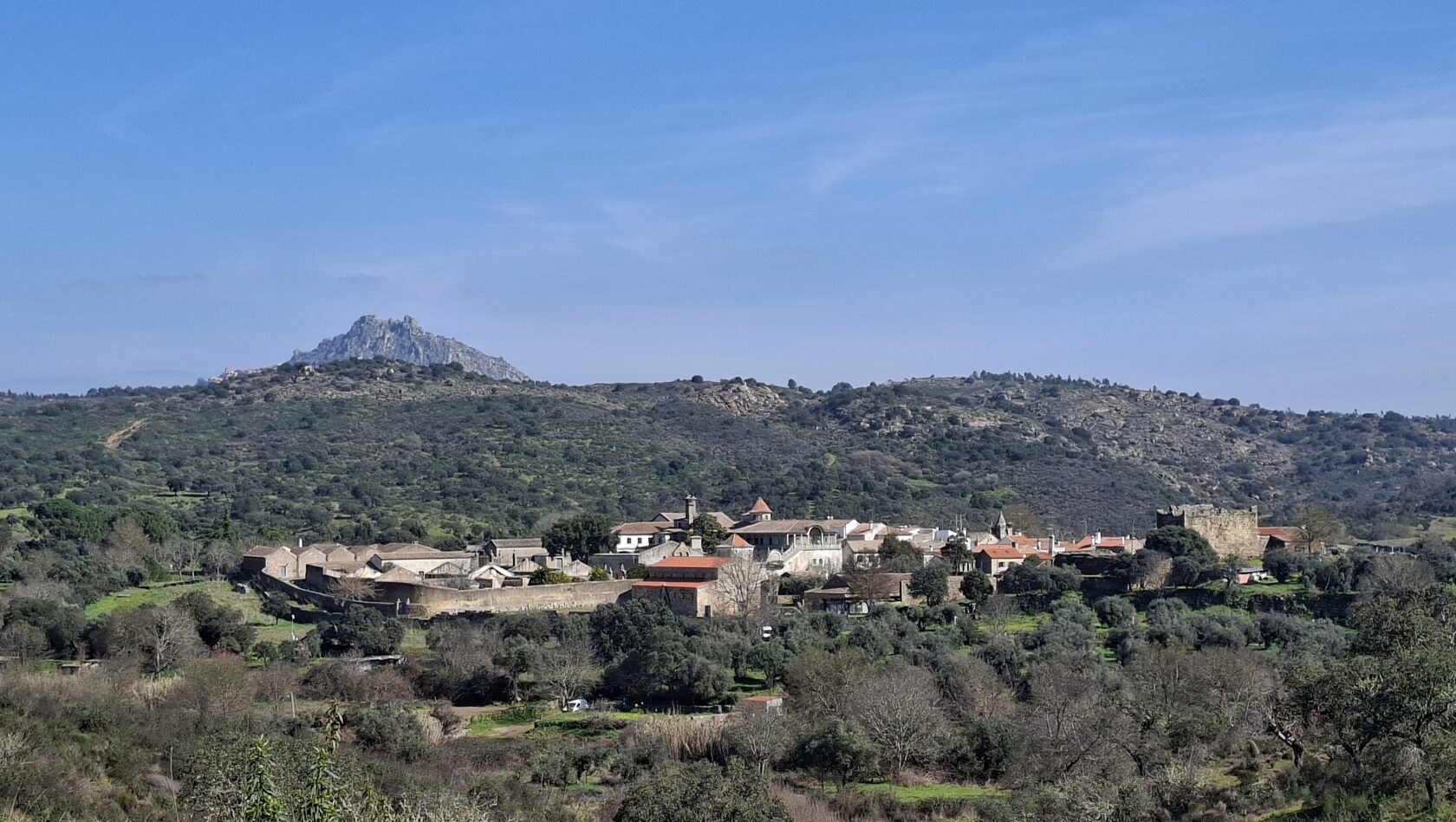
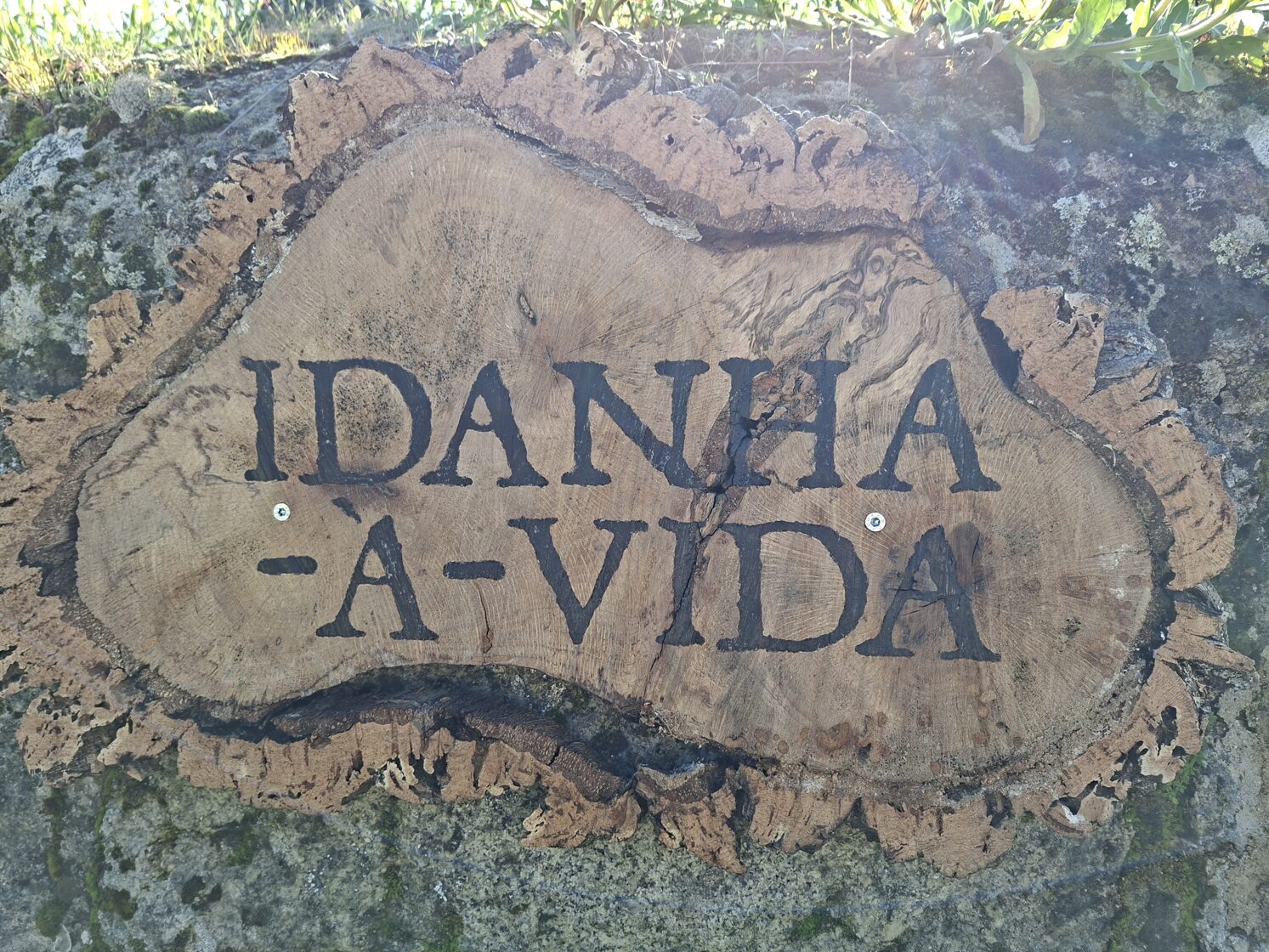
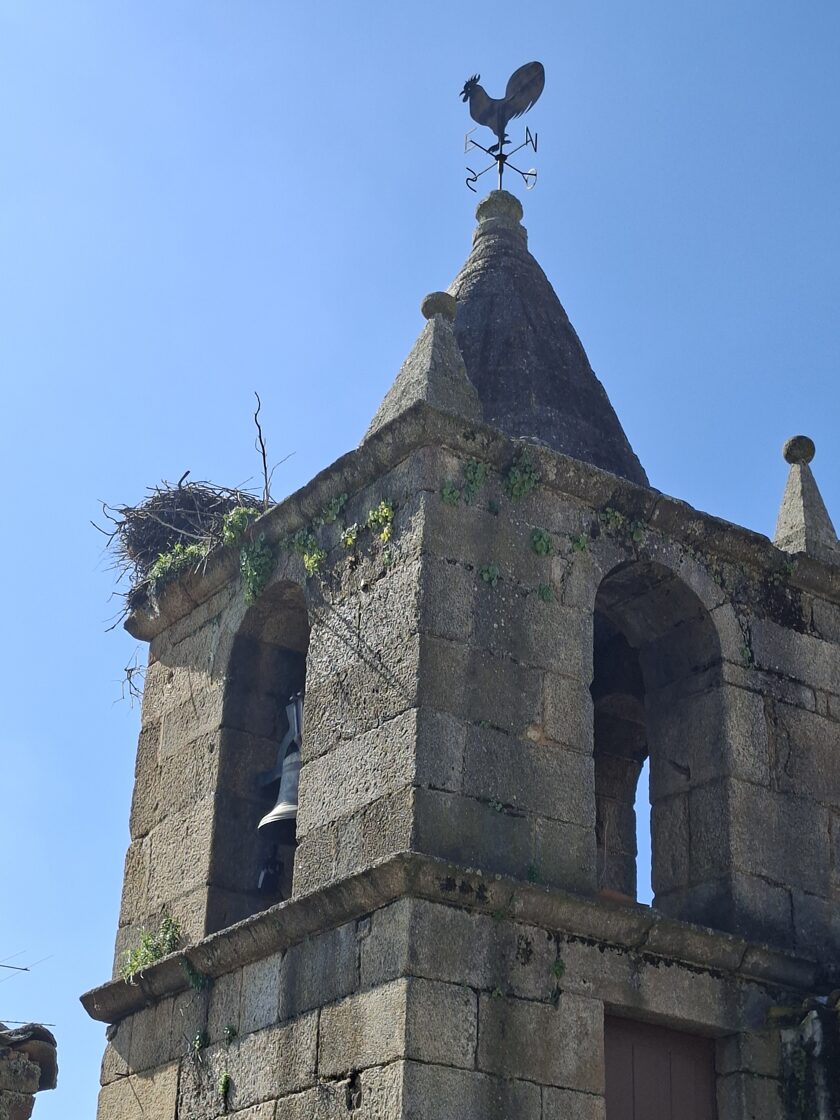
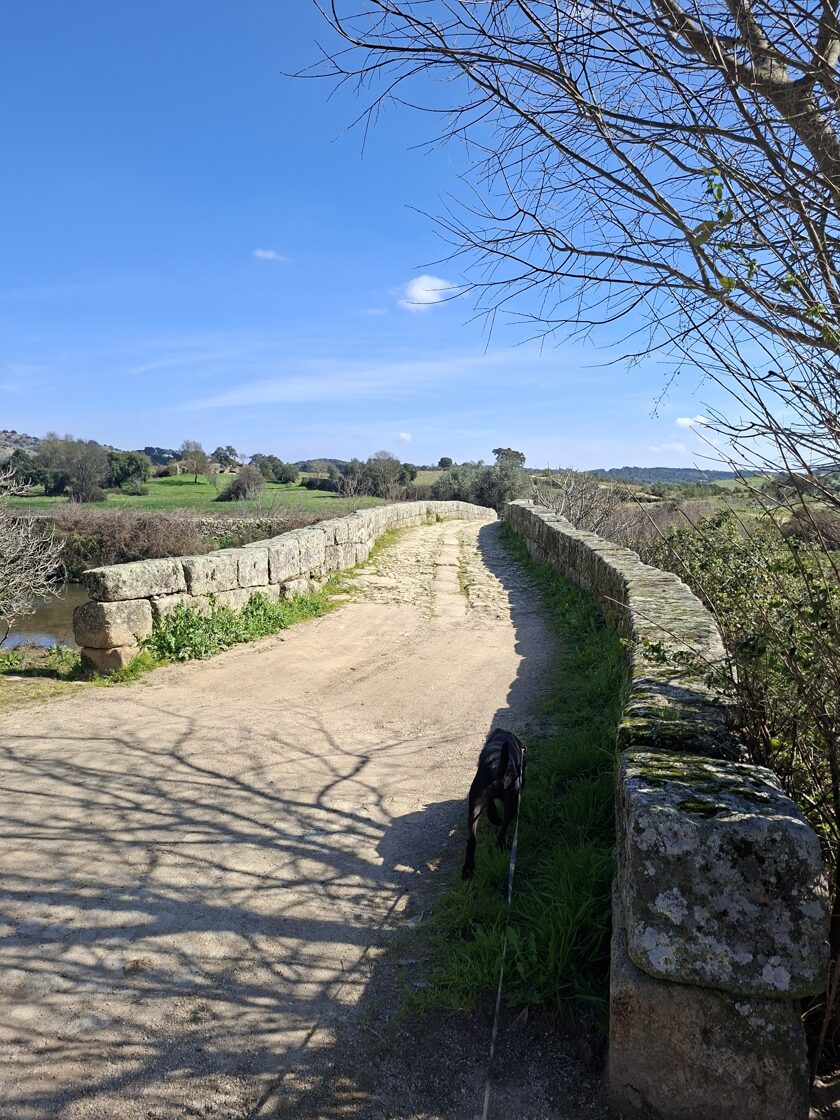
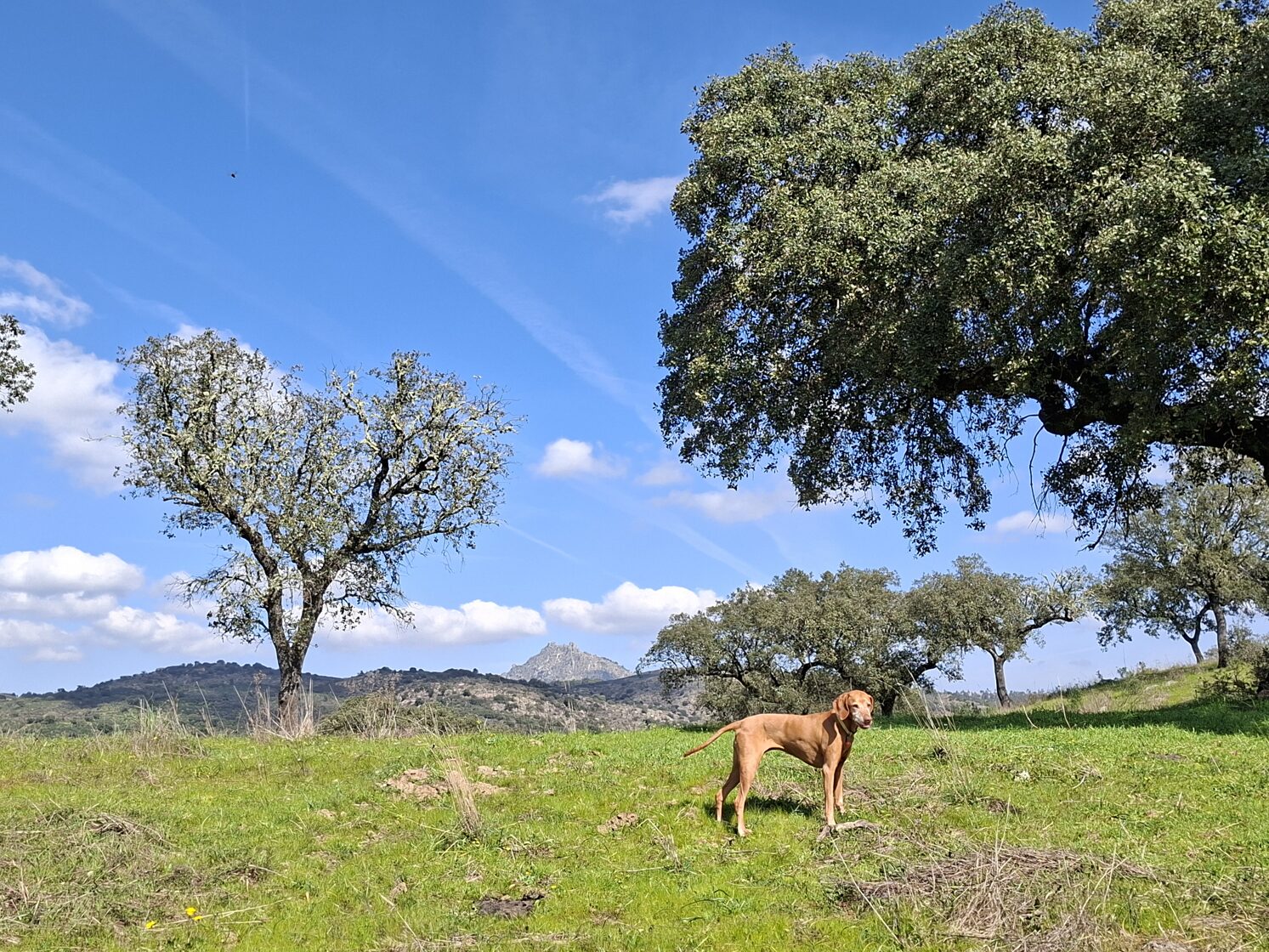
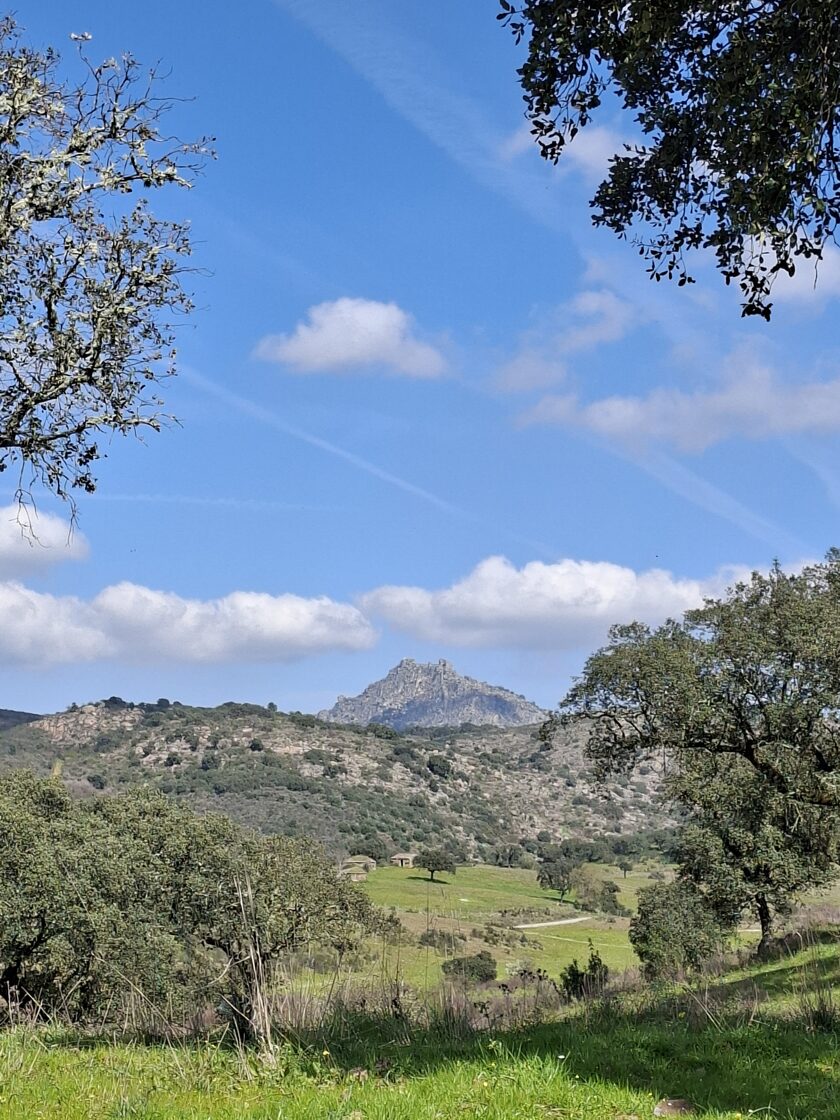
The plan was to go on an excursion to the castle of Idanha-a-Vida, which is 12 kilometers from us, twenty minutes by car. This region is very beautiful and soothing, but the bends urge the driver to stay alert. We arrived; I parked well below the castle so the dogs would have enough time to do their business and move around a bit too.
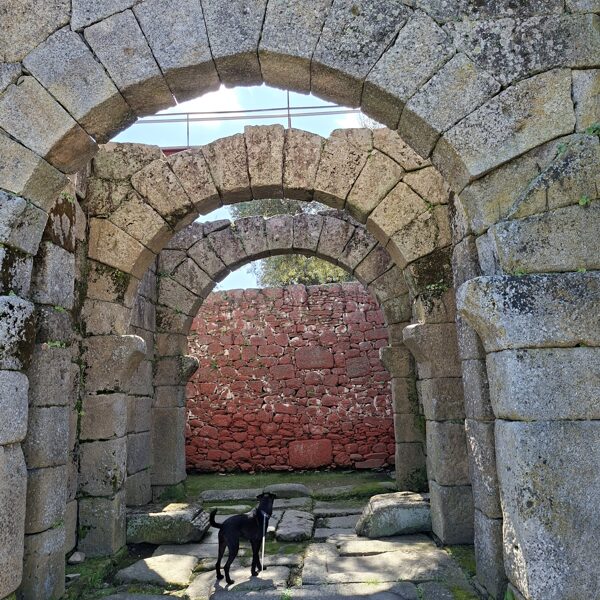
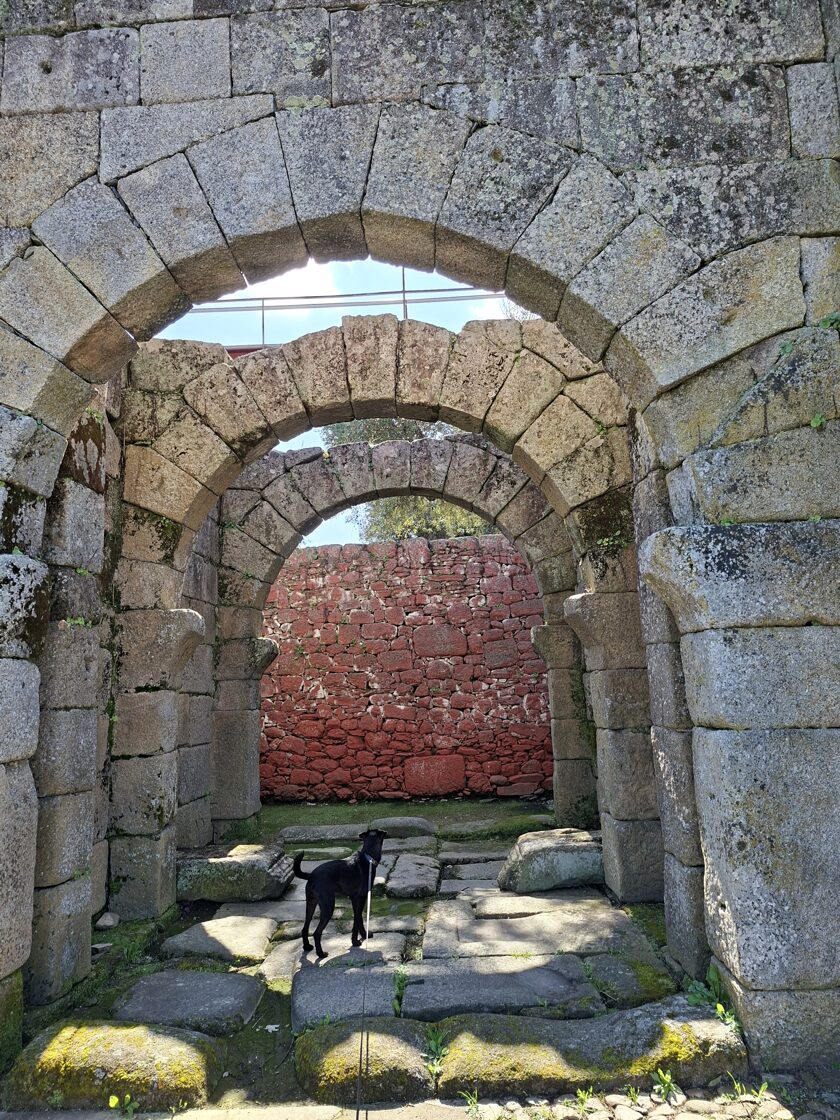
According to the information board: “Thanks to the magnificent collection of ruins, this is one of the country’s most important archaeological sites. In the 1st century BC, a Roman city, the capital of Civitas Igaeditanorum, was founded here. Later, in the time of the Suebi and the Visigoths, it was an episcopal seat. In the 8th century it was occupied by Muslims, then in the 12th century the Christians took it back. In the 13th century it was donated to the Knights Templar, and traces of the various periods can still be seen on it today, testifying that several civilizations continuously inhabited this area.”
Description from Wikipedia: "The Suebi or Suevi (Suebi, Suevi), based on the etymology of their name, were probably relatives or part of the Swabians (Schwaben), a group of West Germanic peoples that included, among others, the Marcomanni, the Quadi, the Hermunduri, the Semnones (not to be confused with the Senones), and perhaps the Lombards. According to Indo-European linguists, the name derives from the Proto-Germanic word *swēbaz, which is derived from the root *SWE (= one’s own person)."
In the 1st century they lived in areas along the Elbe River. Some of their groups were driven from their settlements by the Huns; these partly settled in Alsace, Bavaria and Switzerland, where they were absorbed into the other Germanic peoples. Their westernmost branch, however, penetrated into Hispania around 409, where in the northwestern region it established a semi-independent kingdom. Their Christian king, Rechiart, was defeated by the Visigoths in 456, but the last Suebi territories only came under Gothic rule in 585.
The Western Goths, or Visigoths, were the western branch of the Gothic people that split in two at the end of the 3rd century. They created their first independent state in the neighborhood of the Eastern Goths in what is now Romania, then, due to the Huns’ attack, they moved west. Their last independent state existed in what is now Spain until the Arab conquest. The origin of the name Visigoth is the Latin Visigothi, or Wesi, meaning good, worthy, so it has nothing to do with the noun ‘water.’"
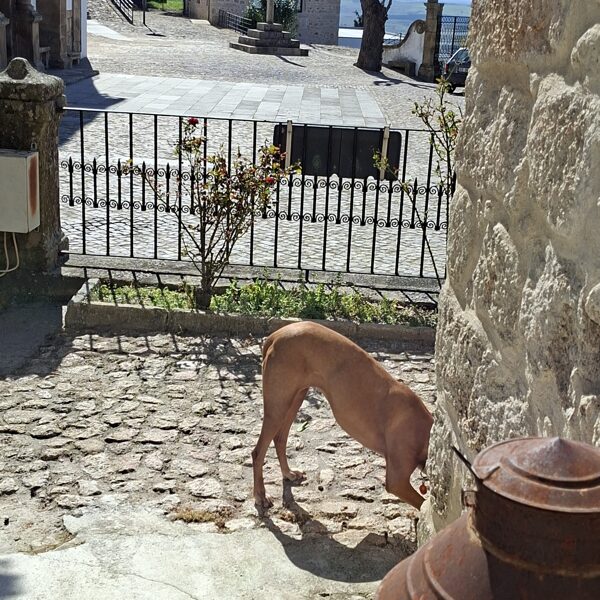
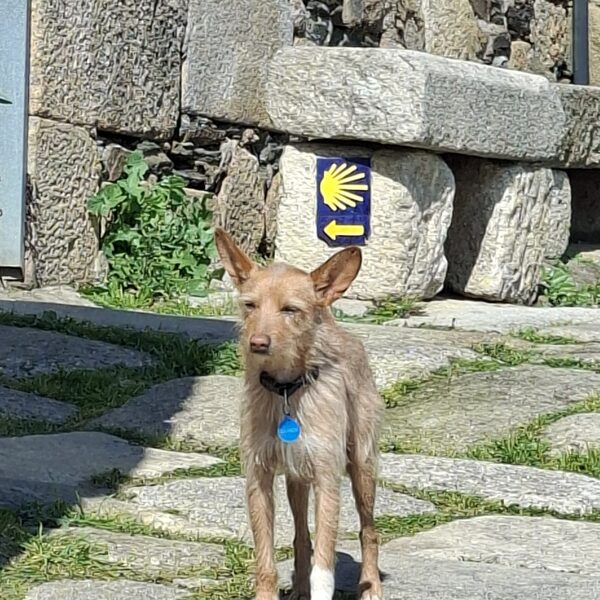
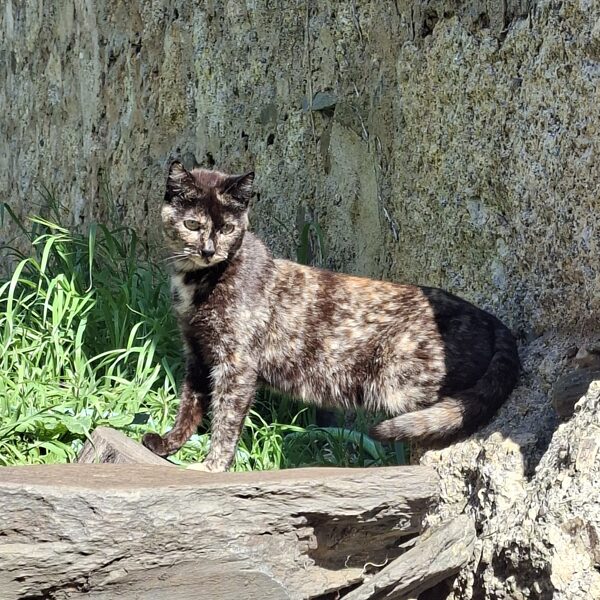
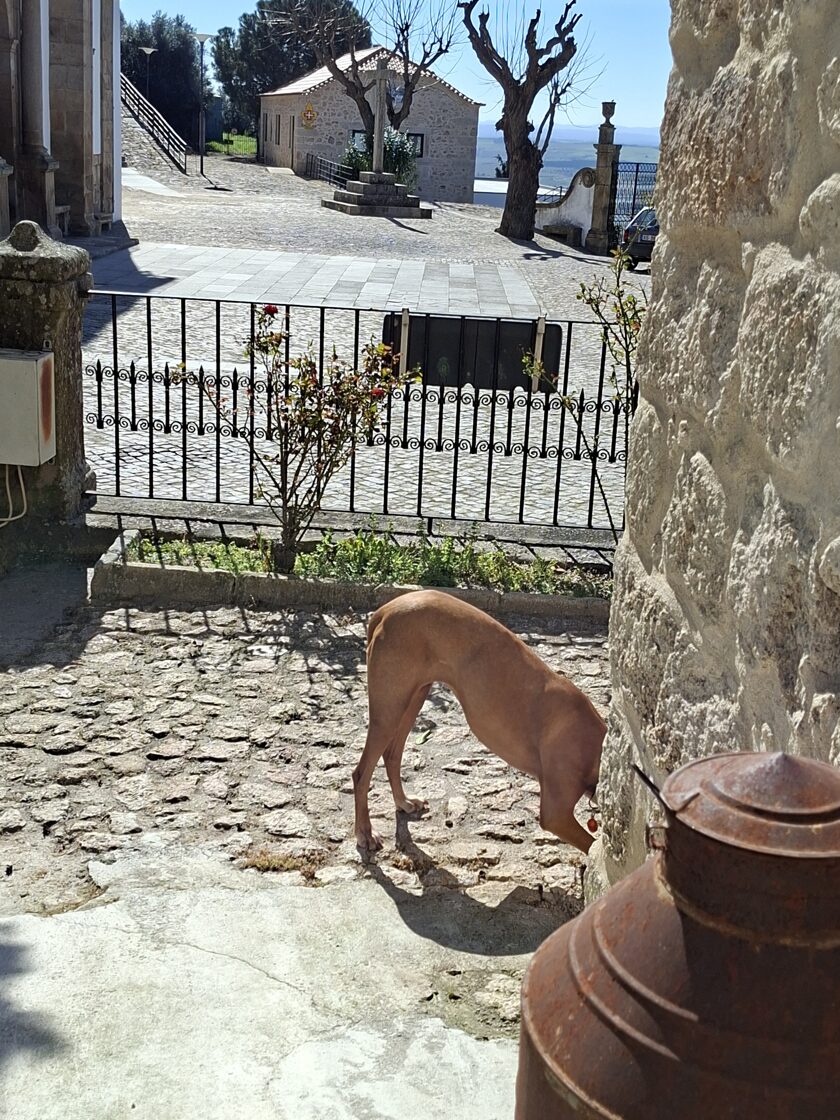
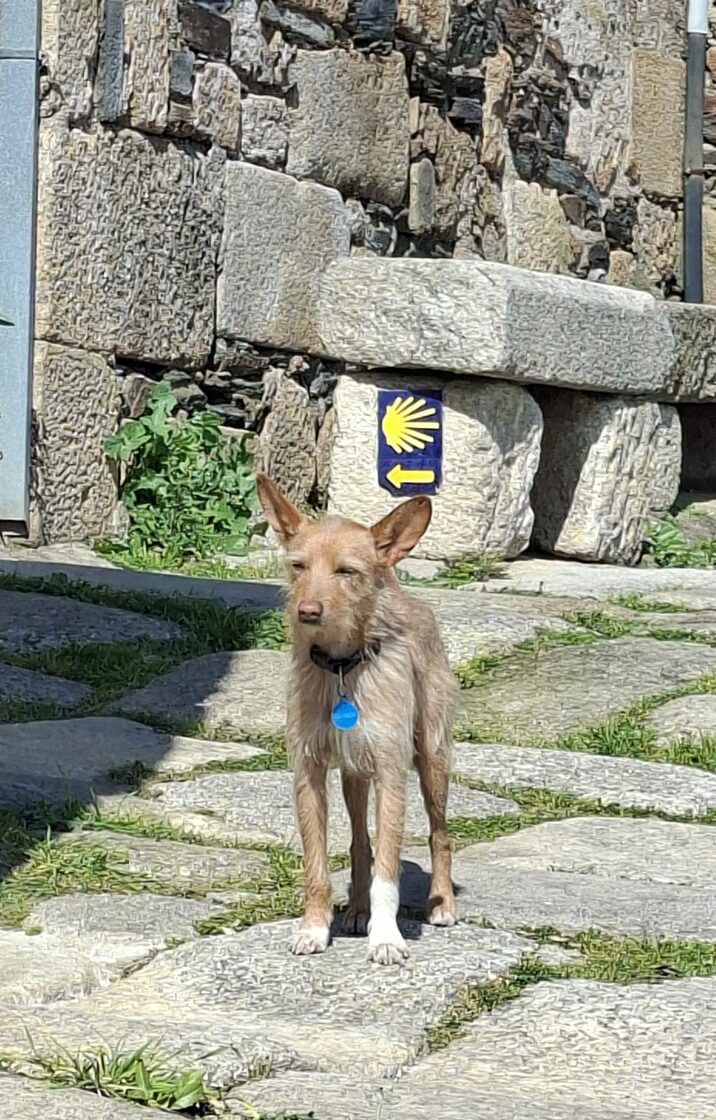
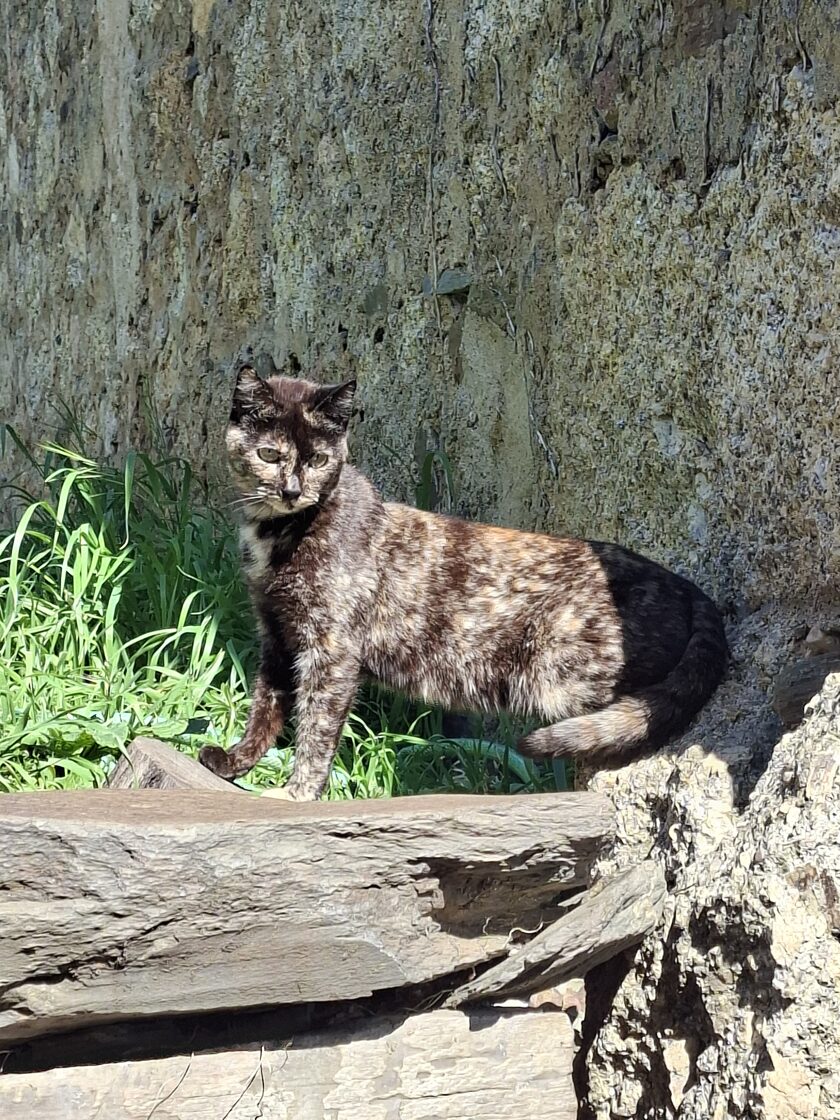
Armed with all this knowledge, we set off to explore the place. At the entrance to the castle, two dogs greeted us. They immediately got to work, and my dogs underwent a serious inspection. Fortunately, they found everything in order, although one of the guards followed us for quite a while.