I got up early in the morning, took a shower and started packing our things. Today we continue our journey; Moral de Calatrava is the next stop—one more night in Spain.
Sergio was waiting outside and introduced me to my breakfast. I thanked him and let him go smoke his “who-knows-which-number” morning cigarette. I wondered what had happened to the ham and cheese I’d gotten yesterday too. The tray was there, but empty. I didn’t think they’d put it there empty just to prank me, to see whether I was paying attention. Then, when I took a closer look, the nylon covering had been slashed to bits. I suspected cat(s). I showed Sergio. But their four cats had been inside at night! Well then, these must have come over from the neighbours—and they worked hard at it: their nylon-bag slashing technique was artistic. Hats off. I told Sergio not to worry; I’d filled up on the tasty yogurt and jam toast.
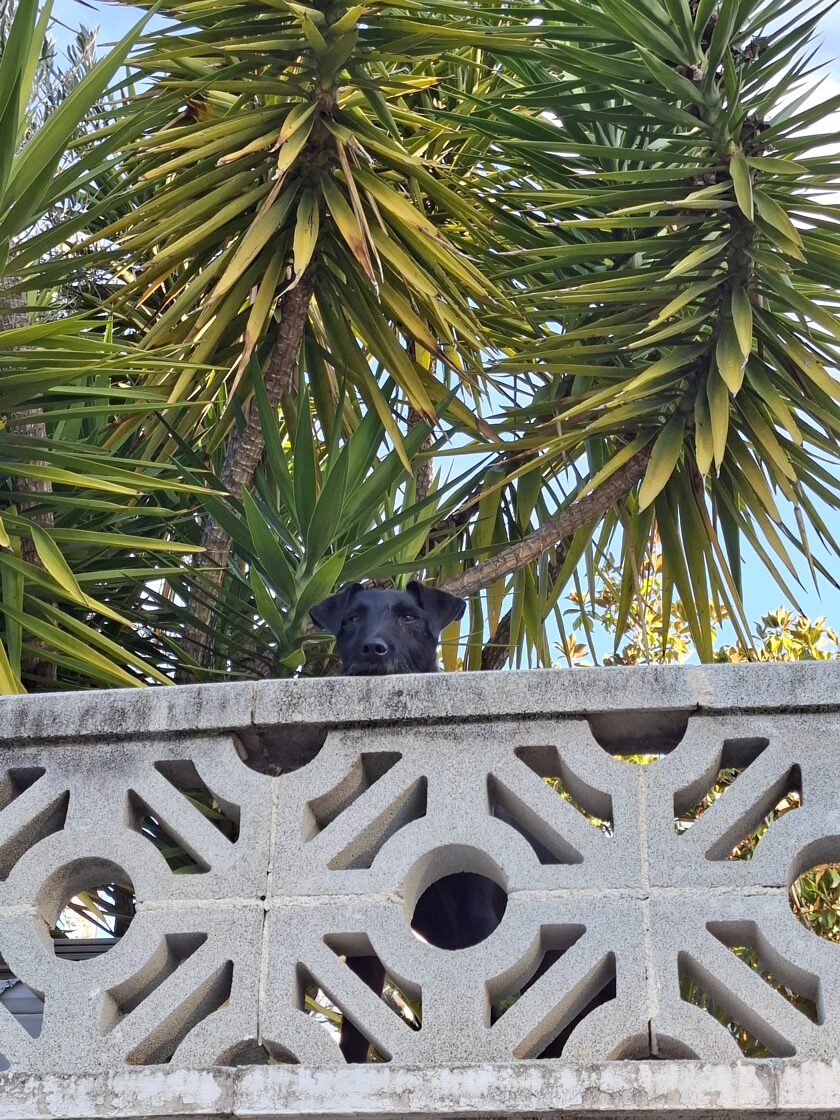
After breakfast I took the luggage down to the car. I was alone in the street, yet I felt like someone was watching me. I looked around and saw black, furry ears and brown, curious eyes behind the fence. Not at the gate, but up on the railing of the steep inner courtyard: Gerbeaud. Of course! Who else?
Moral de Calatrava lays 632 km from Sant Pere de Ribes, from my little Paradise. The trip was uneventful; we stopped several times to refuel, stretch, and take care of various little and not-so-little bodily matters. I bought a coffee and fresh orange juice, and brought some snacks for the road from Annick.
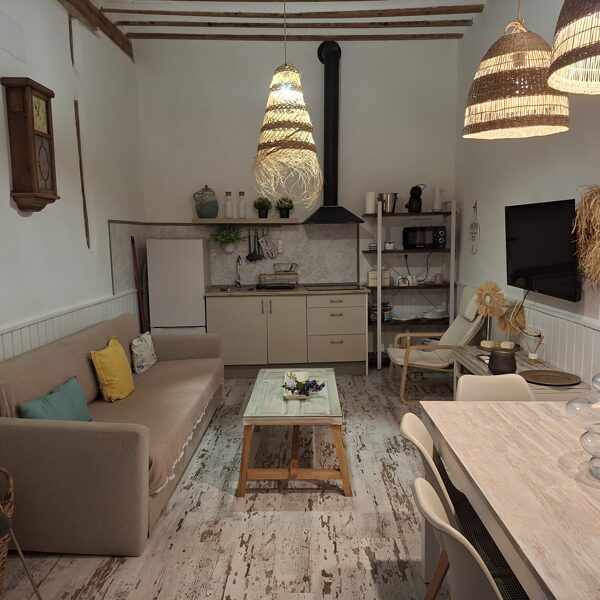
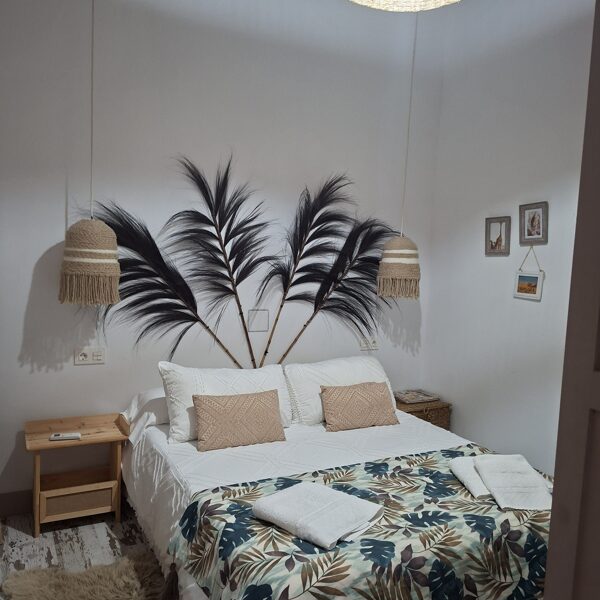
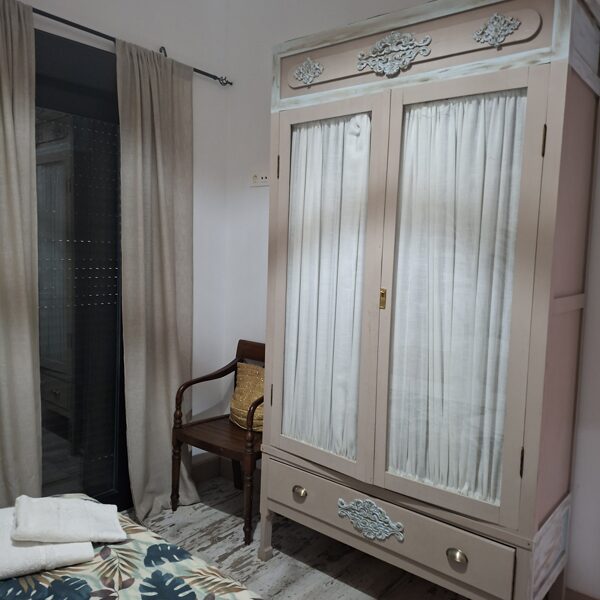
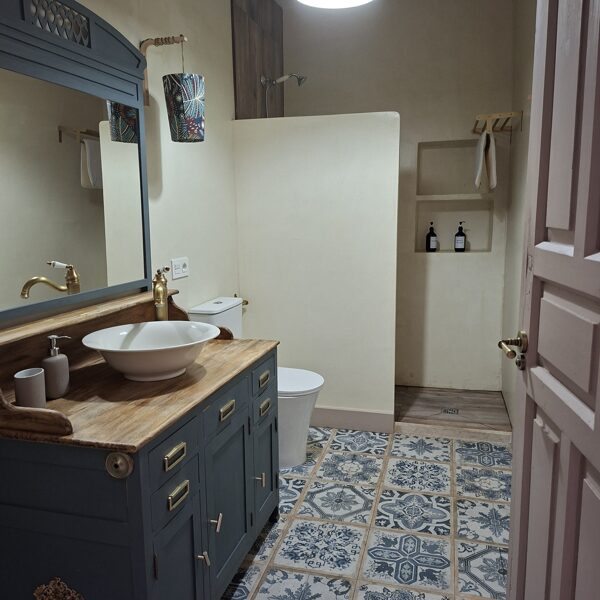
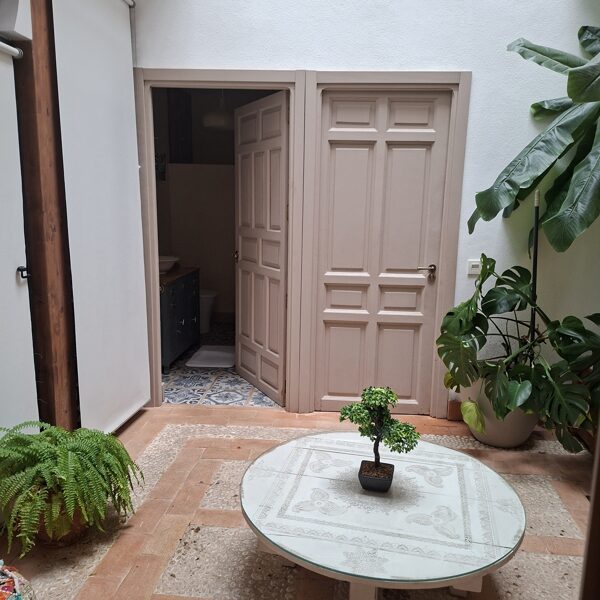
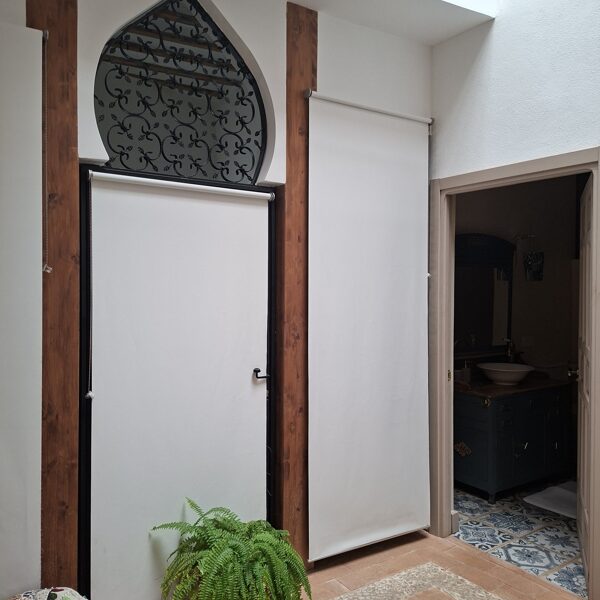
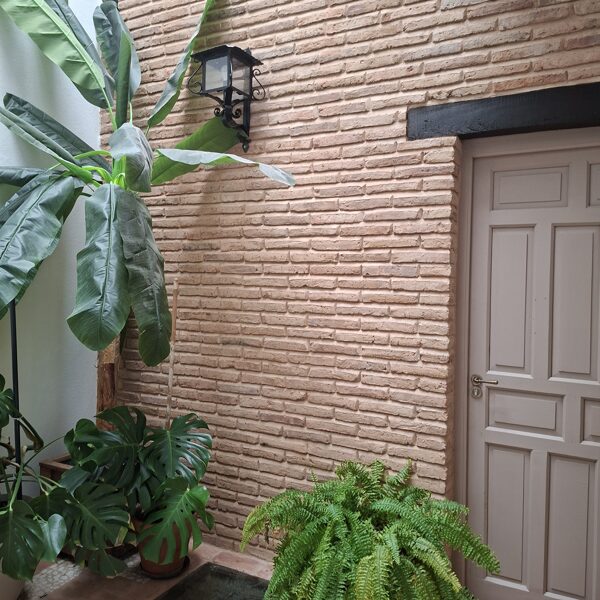
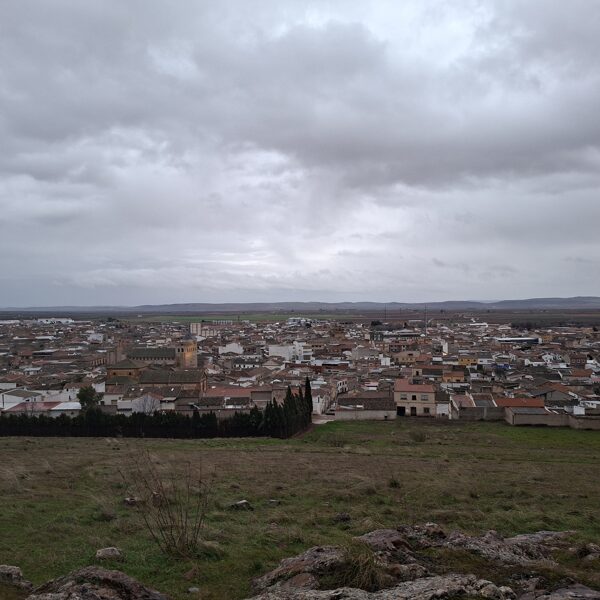
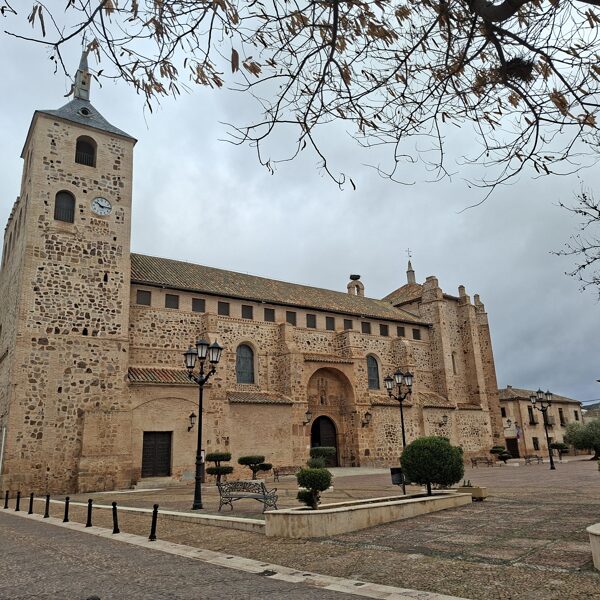
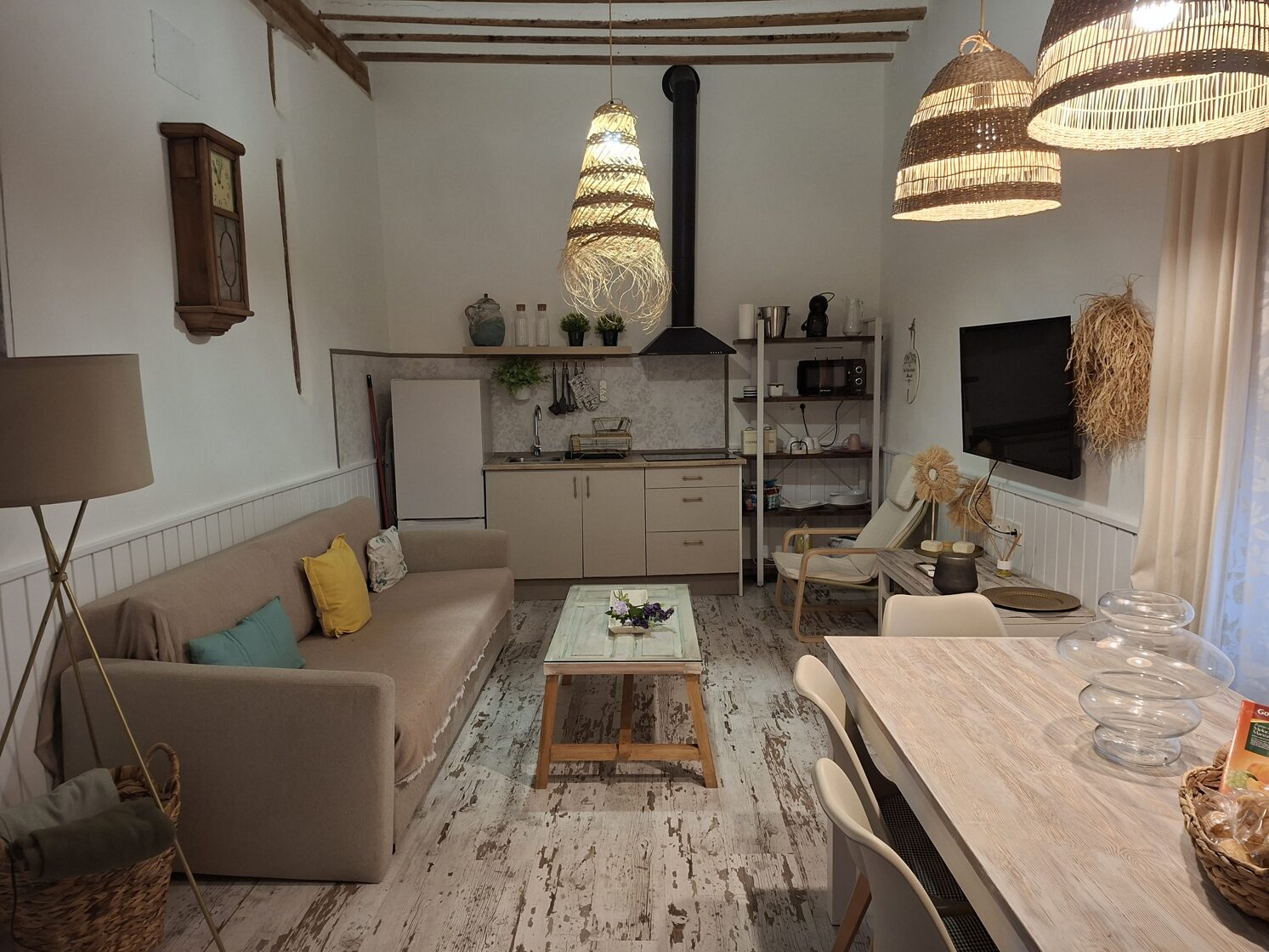
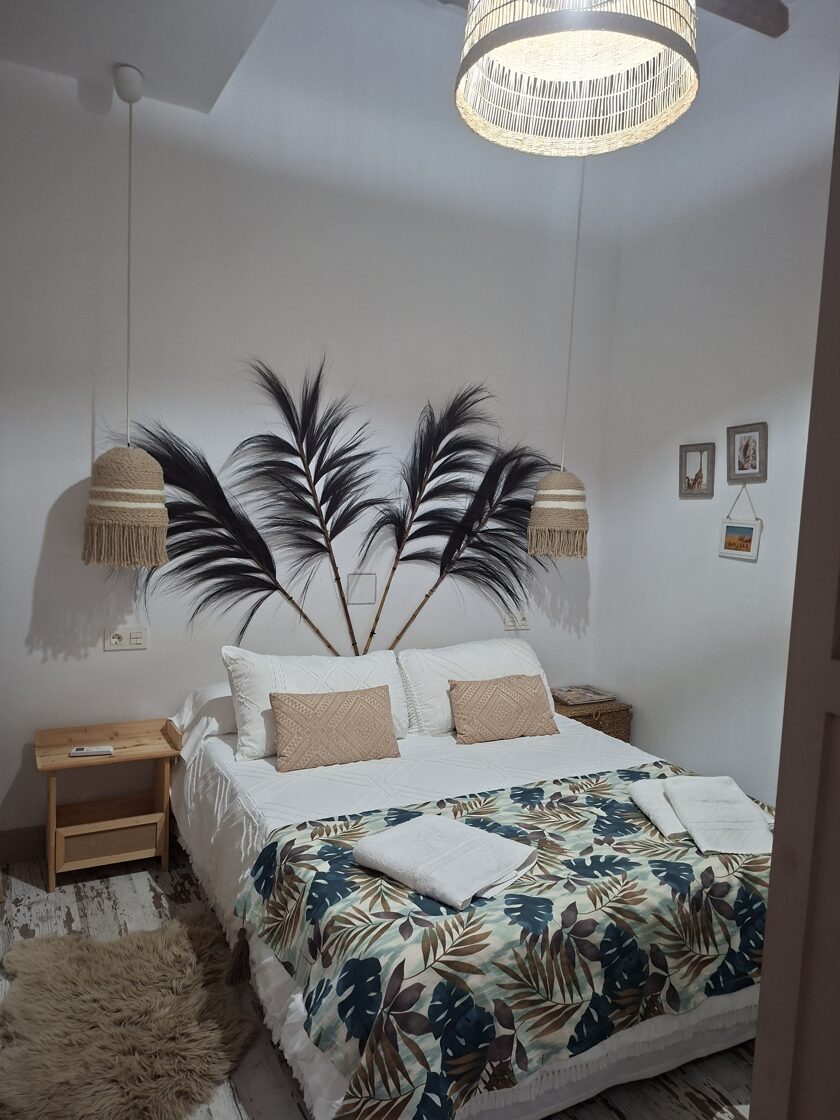
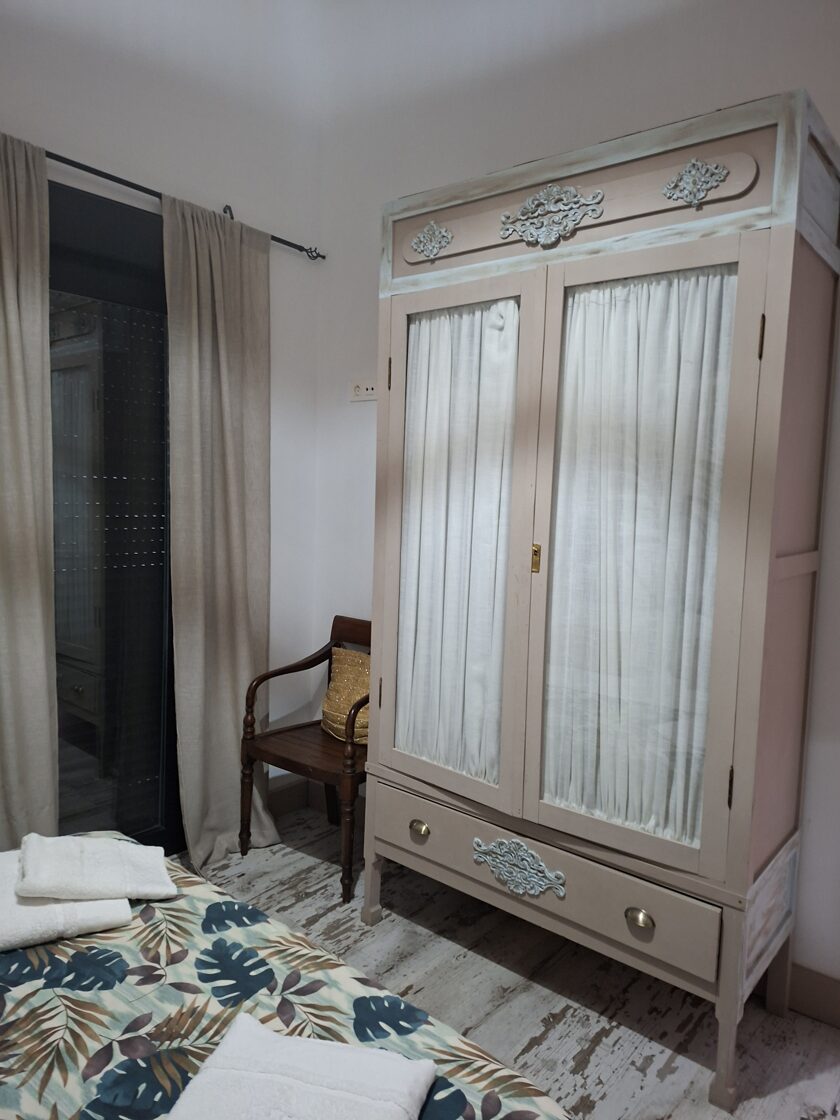
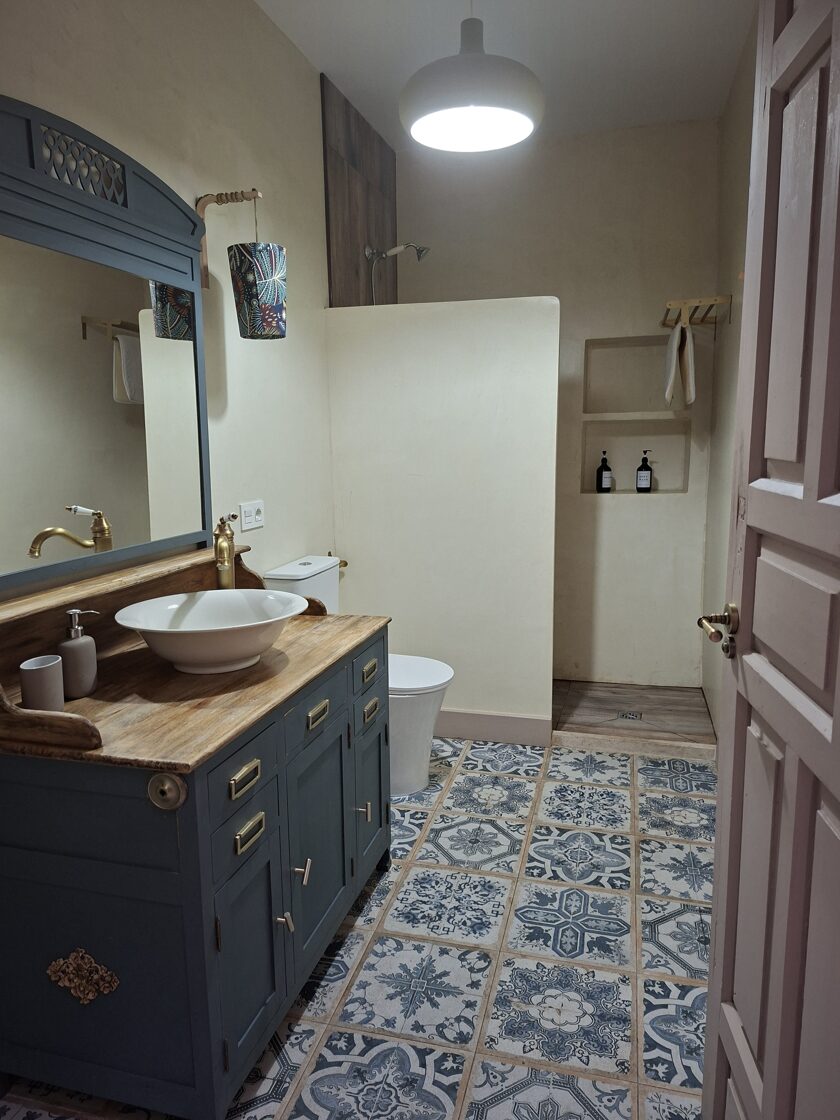
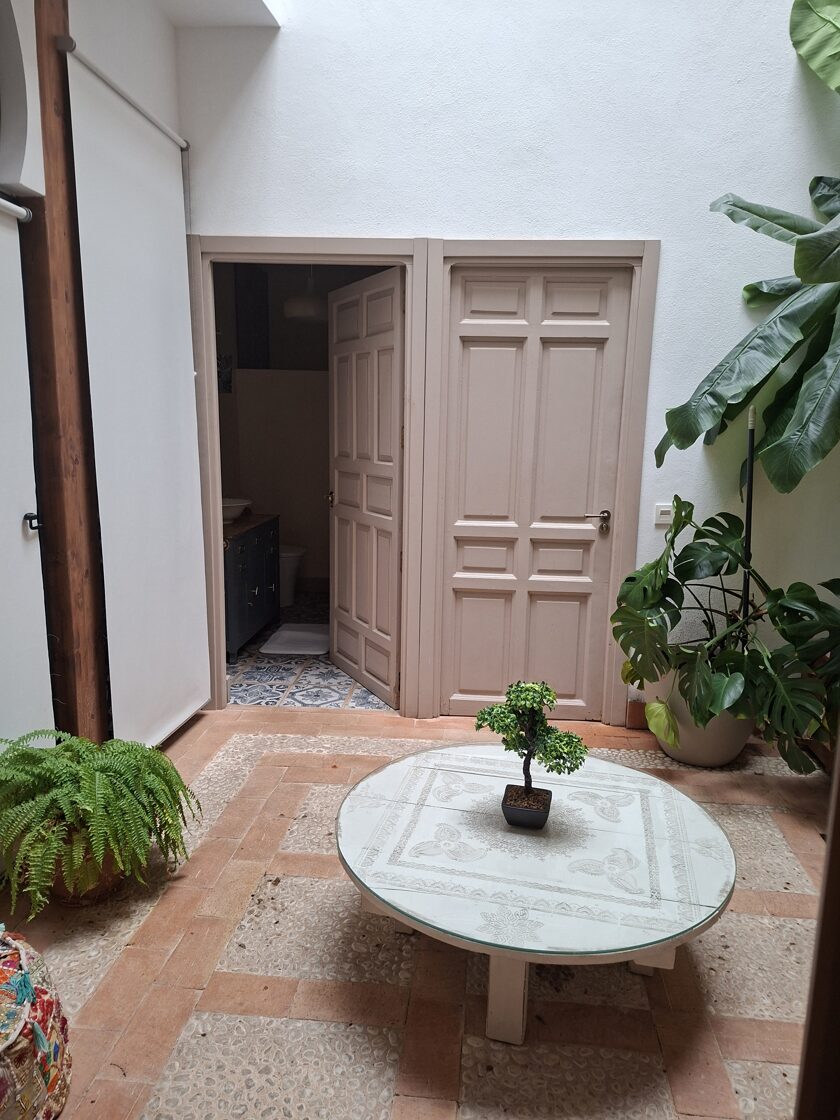
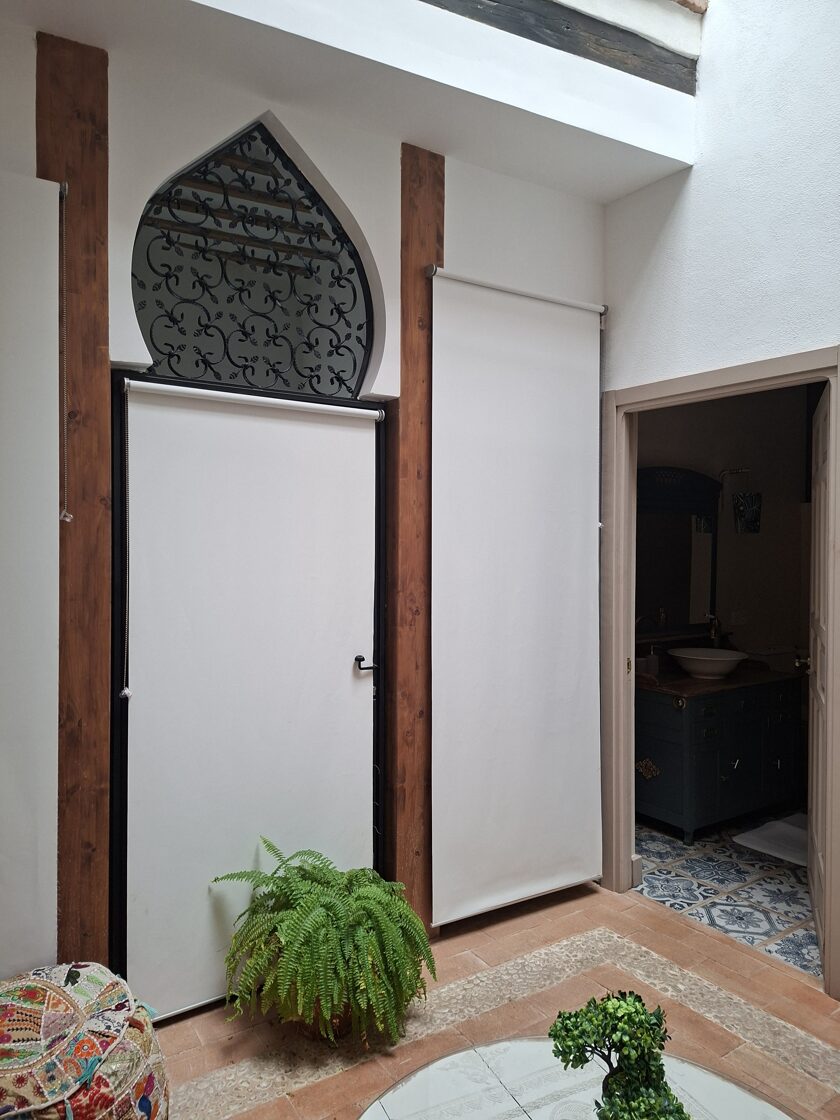
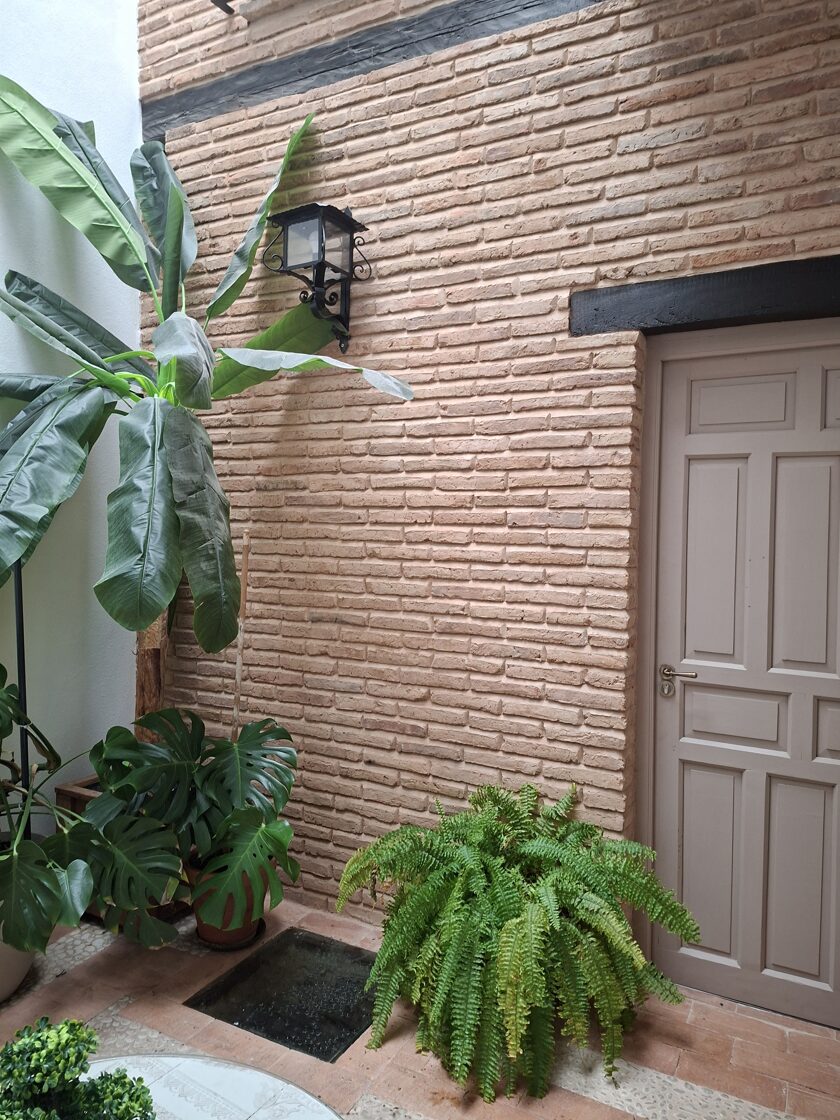
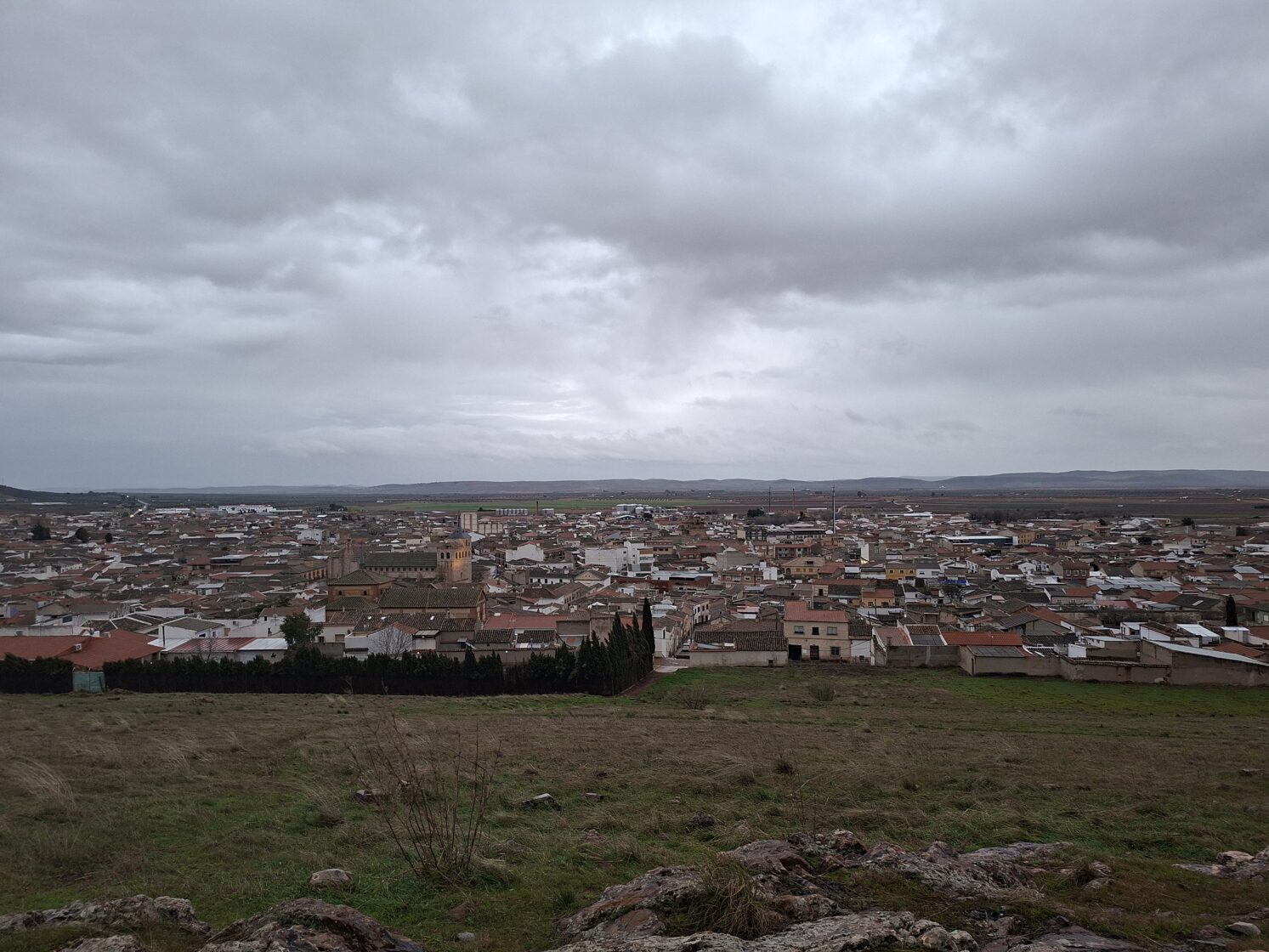
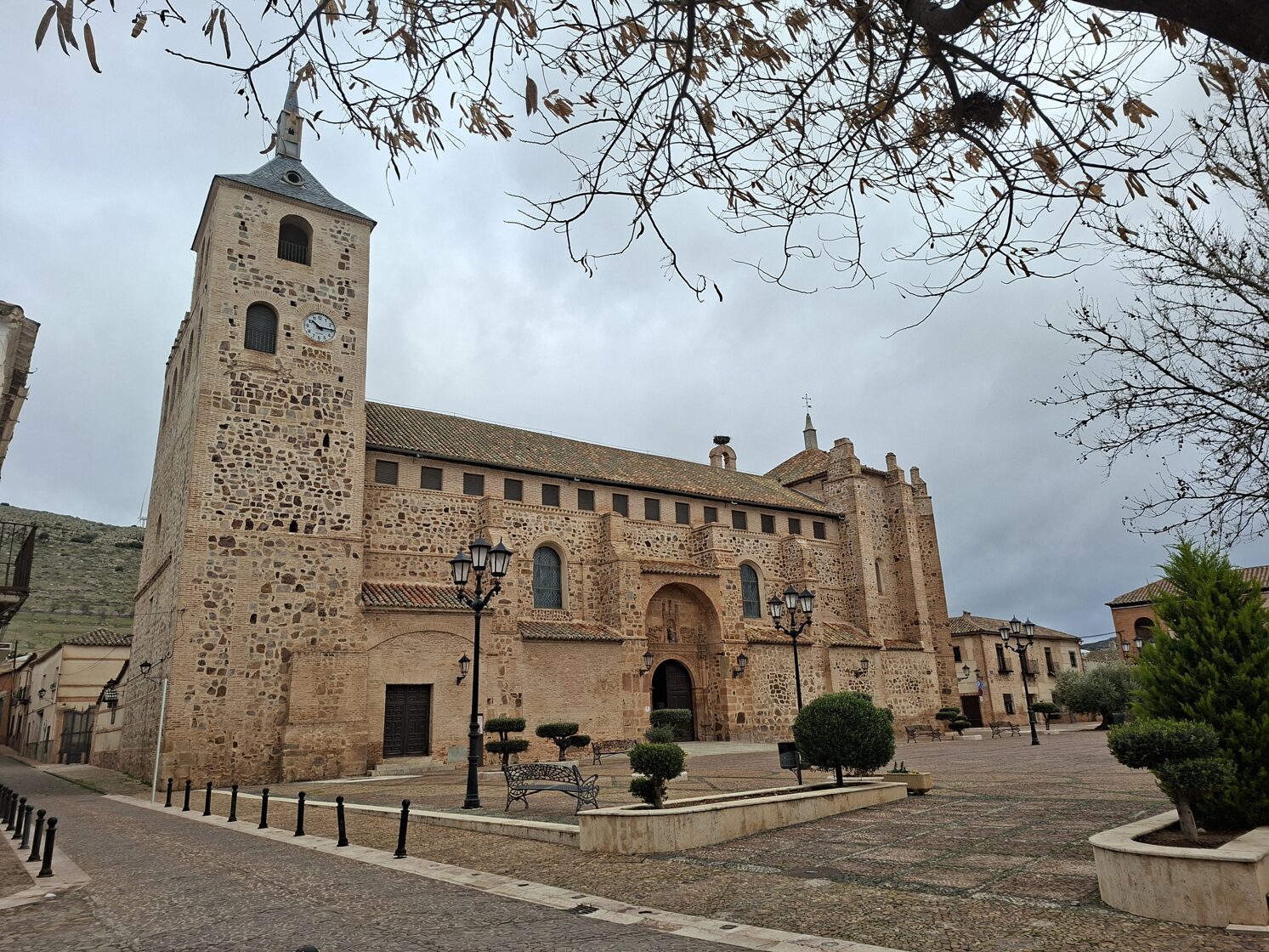
When we arrived at the outskirts of Moral de Calatrava, and as we drove toward the center I saw houses and apartments with shutters pulled down. The whole thing felt a bit eerie. Then, as we got closer to the center, a few people started appearing in the streets. My GPS signaled that I had arrived, but I couldn’t stop there, so I drove on and about 70–80 meters away found a public, free parking lot where there was still space. It was pouring rain, but I had to get out. My bag on my shoulder, my belt bag around my neck, the dogs’ leashes in one hand. Hood up and off to the accommodation. I found it easily; the host, a man with a broad smile, was waiting outside at the gate. He wasn’t bothered that I was arriving with two soaking wet dogs —he has two dogs as well. He explained this with intense pantomime, because apart from “Hello” he didn’t know any other English words. He struggled so much to find the voice translator application on his phone that in his girlish embarrassment he took about sixty screenshots. This won’t do. I told him—or rather, I mime-told him—to calm down. I fired up the DeepL.com translator on my telephone a we understood each other immediately. He was very kind, by the way. I had a great place: separate living room, a small covered courtyard, separate bedroom and bathroom. And at a very good price, right in the middle of the deserted town. From spring to autumn there must be a big buzz here, but now it was a bit creepy. I could stop at the entrance with the car for 20 minutes, so unloading was quick. Then I took the car back to the parking lot; the spot was still there, just waiting for me. I covered everything, locked the car, and walked back to the accommodation. The doggies wagged their tails with great joy: “She came back! SHE CAME BACK!!!” I will always come back. For you, to you—anytime, anywhere.
In the evening I realized I had to explore whether there was a place in this ghost town where I could eat something. On the main square I found a beer-and- wine bar. I went in; a few local men were sitting at the counter and at a table, and further in I spotted a table with three women. Great. I went to the counter. A youngish, rather plain woman was pouring beer. She turned to me with a broad smile. Hola! I say Hola! Do you speak English? Nooo. Ugh, then I have to brace myself again. “Can I eat something here?” I won’t drag it out—after 5 minutes we agreed she’d bring a salad and a glass of red wine. Well, that will not fill me up, but I didn’t really have much choice. I take a table near the women. The conversation is lively; the men join in too. I don’t understand a peep; their tongues spin like a runaway tops, but it’s very enjoyable to see their joie de vivre and cheerfulness.
Then my wine arrives; the lanky, thin barmaid sets it down in front of me with a from-ear-to-ear smile, together with a little clay bowl of bean stew, with sausage and bacon in it, and she offers baguette on the side. Well, that will at least take the edge off my hunger. I thank her for this pleasant surprise with lots of “Gracias.” Then I start thinking: did she say beans and I heard salad? Or how is this? A few minutes later a HUGE portion of tuna salad arrives. Well, I could only manage half of it, even though I asked for another glass of red wine to wash down the stuck salad leaves. So overall it was a very good experience. They wonderfully compensate for their language shortcomings with incredible kindness and openness. Living here would be exhausting, because pantomime is a tough genre, but as a visitor, it’s a lovely experience. If both sides have the will, you can find a solution to anything. If we don’t look down on the other, if we don’t think of ourselves as superior, because… because why, really? If we are patient and kind, we can unleash incredibly positive energies.
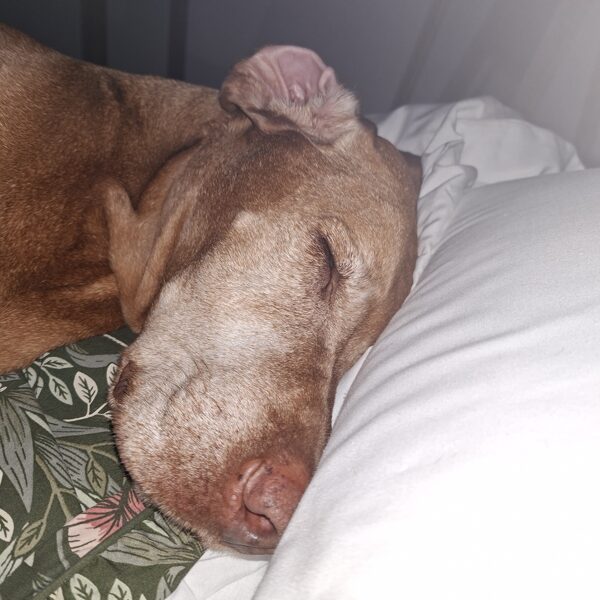
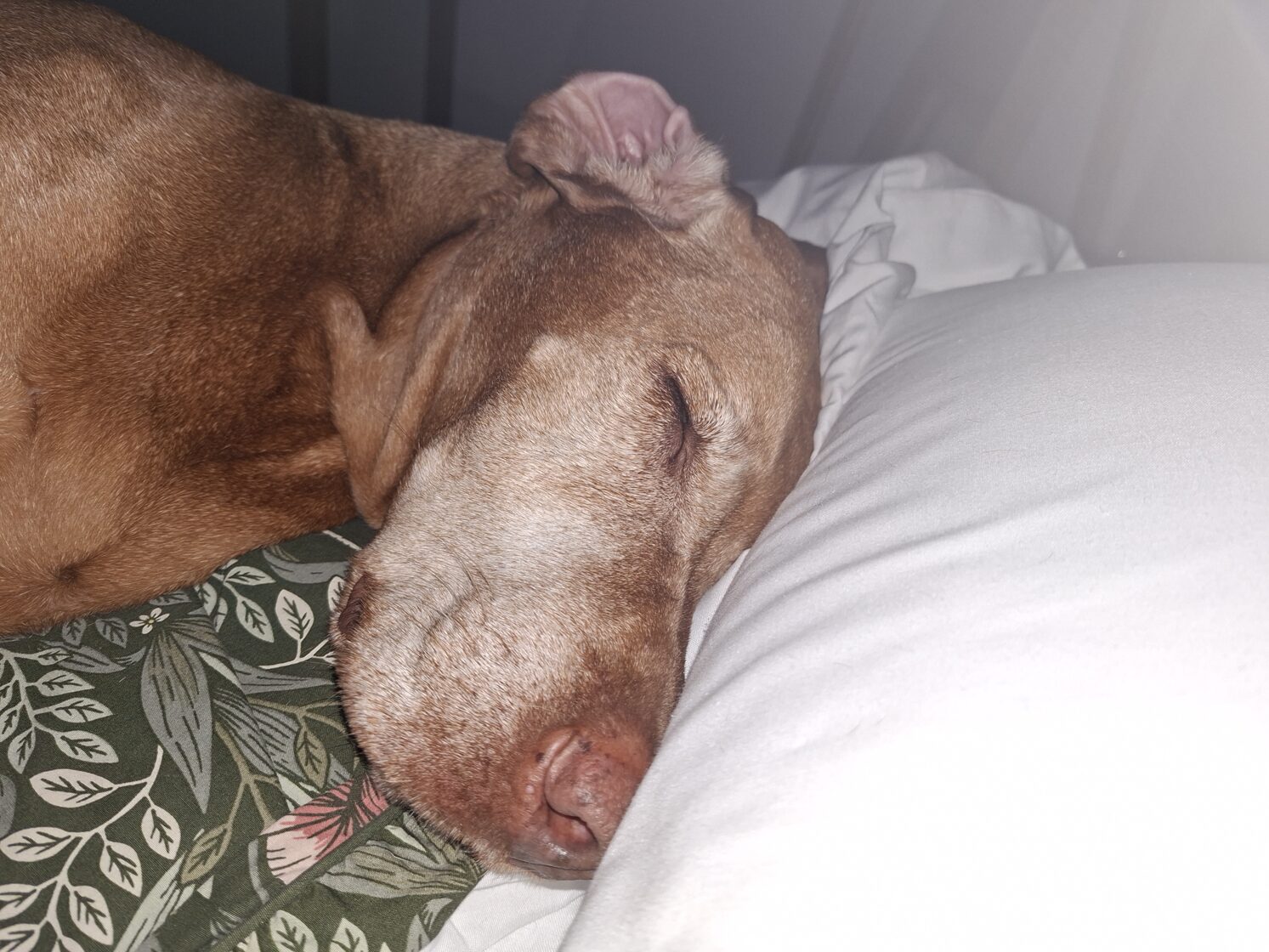
The doggies welcomed me with great joy, mainly because I took them out for a short little walk. Cobblestones everywhere; grassy areas are a huge rarity for lady dogs. And Panka hates peeing on stone. But we managed to solve that too. She realized that here and now she has to set her reservations aside if she wants to sleep peacefully.
At night I woke up several times. Maybe because this will be the last leg of our journey for a while: tomorrow I’m meeting my Canadian friends near Vila Real de Santo António. A week of rest—I can unpack the suitcases, load the washing machine. Hallelujah!